
The Chicago Lakefront: Protected, Yet Precarious
Home / The Chicago Lakefront: Protected, Yet Precarious
Openlands examines legal safeguards—including the Lakefront Protection Ordinance—and urges reforms to close critical gaps.
CONSERVATION PROJECTS
State of the Lakefront
Since the incorporation of Chicago in 1837, law and legal precedent have sought to keep the city’s most prized civic asset – the lakefront – open, clear, and free for the public. While protections have been effective, they remain susceptible to political influence and procedural gaps. The Chicago lakefront is at a critical crossroads, with multi-billion-dollar developments being considered and federal environmental protections on the decline.
Openlands has long led efforts to protect the lakefront, helping establish The Lakefront Plan of Chicago in 1972 and championing the Lake Michigan and Chicago Lakefront Protection Ordinance (LPO) in 1973. Now, we see an urgent need to refocus the conversation on preserving open space for all Chicagoans—and on recognizing its environmental, social, and economic value.
The future of the lakefront depends on public understanding of how its protections work—and how they can be strengthened. Our new report, The Chicago Lakefront: Protected, Yet Precarious, breaks down the legal history, analyzes current safeguards, and offers a path forward through policy reforms. Ultimately, this report is a call to action—inviting civic leaders, policymakers, and residents to come together on common ground to protect our most valued civic space.
“
The lakefront and its parks represent a legacy of incalculable value, a testament to visionaries such as Daniel Burnham, who, more than 100 years ago, recognized that public spaces made better democracies, better citizens and better lives. It is remarkable that what Burnham and others conceived so long ago still serves us in so many ways.
Blair Kamin in his Pulitzer Prize-winning Chicago Tribune series, Reinventing the Lakefront

Support Our Lakefront Work
Acres of Lakefront Parks
Daily Active Users
Miles of Trails & Paths
Shoring up Lakefront Protections
This report includes a comprehensive review of the laws that govern most of Chicago’s lakefront—particularly the public trust doctrine and the Lake Michigan and Chicago Lakefront Protection Ordinance. The LPO, a municipal ordinance, was created to protect the public’s lakefront from intrusive development. It remains the most powerful tool for meaningful reform.
In its analysis, Openlands found that the subjective decision-making process in the LPO led to gaps in planning, environmental protection, and public transparency. Openlands recommends strengthening the LPO and improving how it is implemented.
Explore More Lakefront Advocacy & Engagement
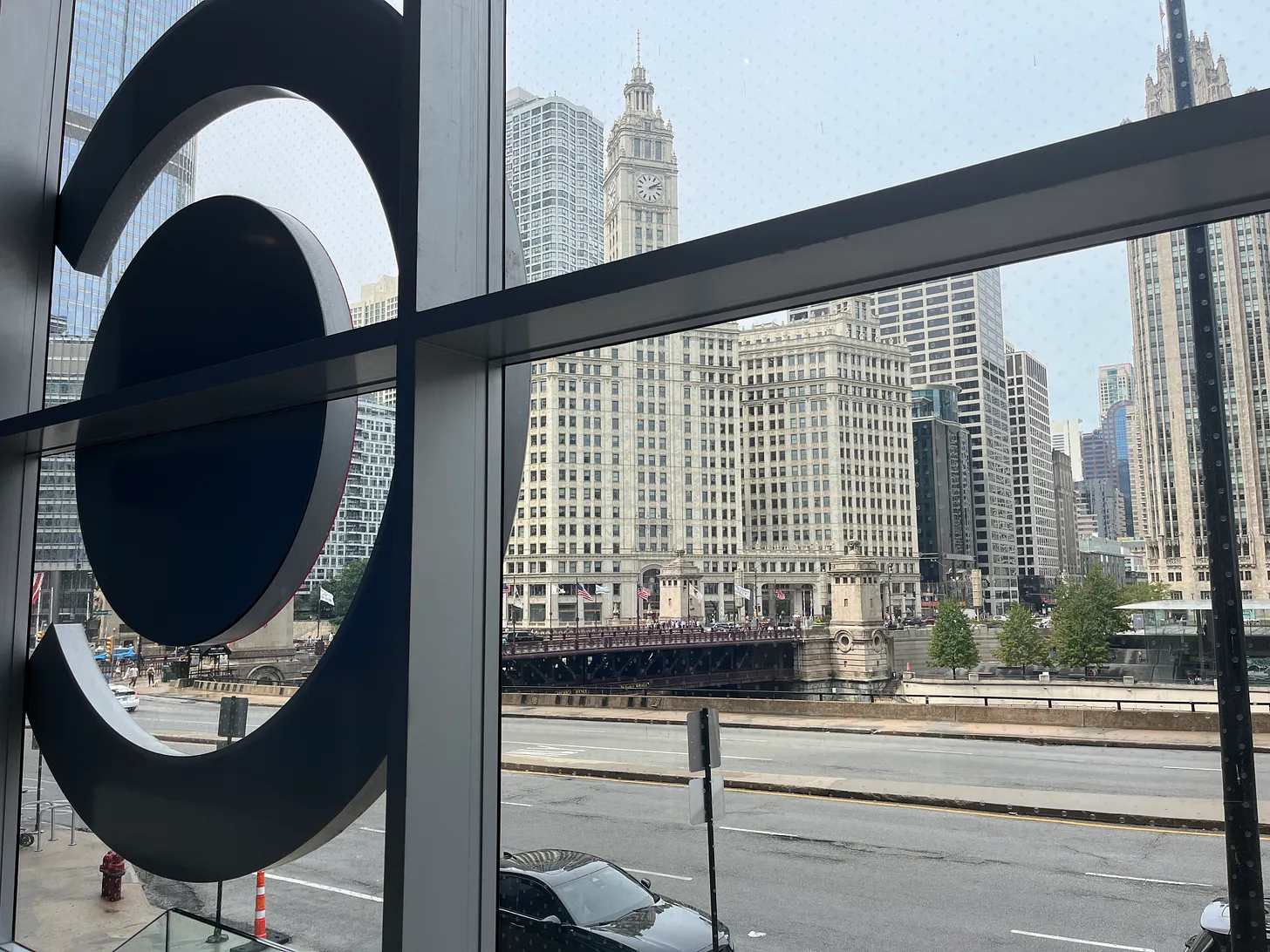
Bob Dolgan, local Substack author, writes about the exhibitions at the Chicago Architecture Center.
…
Michael Davidson, Jeanne Gang, and Eleanor Gorski discuss joint exhibits at the Chicago Architecture Center.
…
On Friday, July 10, the U.S. Department of the Interior’s decision to remove habitat destruction …
Lakefront Frequently Asked Questions
Access report templates and required materials to manage your awarded grant and complete final reporting requirements.
Why is Openlands focusing on this issue now?
The Chicago lakefront is at a critical crossroads. Several multi-billion-dollar development proposals—such as the Quantum Campus development, the Bears Stadium proposal, the Redefine the Drive project, and the settlement of the Combined Disposal Facility lawsuit—have been approved or are under consideration. In light of these changes, strong legal protections are essential to govern land use decisions along the city’s public lakefront. This report serves as both an analysis and a potential roadmap for reforms to better safeguard this valuable public open space for future generations.
Since its founding in Chicago in 1963, Openlands has been a steadfast advocate for lakefront preservation. The organization played a key role in a coalition of civic leaders, organizations, and advocates that helped develop The Lakefront Plan of Chicago and later the Lakefront Protection Ordinance in the 1970s. Over the decades, Openlands has consistently championed the protection of the lakefront, weighing in on various development proposals to ensure responsible stewardship of this cherished public resource.
Why should I care about protecting the lakefront?
Spend a day at the lakefront on the first warm day of spring—or any sunny day—and you’ll see Chicagoans of all backgrounds coming together to enjoy the waterfront. Families and friends gather for barbecues, cyclists cruise along the 18-mile trail, swimmers dive into the water at one of more than two dozen beaches, and birdwatchers explore the lakefront’s many nature sanctuaries. The lakefront is more than just a recreational space; it is Chicago’s shared gathering place.
Beyond its role as the city’s civic heart, the lakefront serves a critical environmental function—it is the last barrier protecting Lake Michigan, the fifth-largest lake in the world, the only Great Lake entirely within the United States, and the source of our drinking water.
As Chicago’s largest public open space, the lakefront belongs to everyone, from the North Side to the South Side. Its protection ensures equal access and benefits for all. However, each new intrusive development that bypasses proper review sets a precedent for further encroachment, gradually chipping away at this vital public resource. To prevent this, all Chicagoans must stand together to safeguard the lakefront for generations to come.
Don't other cities have public waterfronts? Why is Chicago special?
Chicago’s public lakefront park system spans more than 3,400 acres, making it unparalleled in terms of publicly accessible waterfront space. While cities like San Francisco, Cleveland, and Brooklyn have invested millions in revitalizing their waterfronts, none offer the same combination of expansive natural space and unrestricted public access that Chicago provides.
Chicago’s status as a global city is strengthened by its public lakefront—a defining feature that sets it apart. As this report outlines, many factors have contributed to preserving this unique asset, but one consistent force throughout history has been the dedication of advocates, planners, and civic leaders who have tirelessly championed its protection.
Should there be any buildings on the lakefront?
Not all development along the lakefront is harmful. Responsible development—when it preserves the lakefront’s natural character, integrates green spaces, provides public access, and meets the highest environmental standards—can enhance public enjoyment.
If the legal protections in place function as intended, intrusive development should be prevented, while responsible projects that align with these principles can be allowed. Our policy recommendations focus on strengthening and clarifying the Lakefront Protection Ordinance to ensure these safeguards work as they should, eliminating the need for the public to continually fight against inappropriate developments.
What is “intrusive development?”
Intrusive development refers to any project that violates or undermines the legal protections established by the public trust doctrine and the Lakefront Protection Ordinance (LPO), as outlined in this report. This can happen through a project’s size, scale, intensity, or design. For example, a proposed lakefront structure may be considered intrusive if it:
- Towers over the surrounding landscape, disrupting the natural skyline;
- Causes significant harm to wildlife or leads to environmental degradation;
- Blocks or restricts public access due to its size, use, or private benefits; or
- Features aesthetic elements that clash with the surrounding natural environment.
When development crosses these thresholds, it threatens the integrity of the lakefront as a shared public resource.
What is the Lakefront Protection District?
The Lakefront Protection District is a designated area along Chicago’s lakefront, extending into Lake Michigan, that receives heightened legal protections. Established in 1973, it is defined by the Lakefront Protection Ordinance and mapped out here.
This district identifies specific land, shoreline, and water zones that require additional oversight. While it does not prohibit development, it adds a layer of protection beyond standard zoning regulations to ensure responsible land use. However, the district does not cover all areas of the lakefront equally—some neighborhoods have limited protections due to the current map boundaries.
How often do development proposals trigger the Lakefront Protection Ordinance?
In 2024, six development proposals in Chicago required review under the Lakefront Protection Ordinance. In 2023, nine projects triggered the same review process.
While these numbers may seem small, even a single intrusive development can significantly impact wildlife, public access to the lakefront, and the environmental protections the ordinance is designed to uphold.
My home or business is in the Lakefront Protection District—Would changes to the Lakefront Protection Ordinance affect me?
If your property is within the Lakefront Protection District, these regulations already apply to you. Routine repairs and minor renovations are exempt from review. However, if you plan to demolish and rebuild or undertake major renovations, the proposed updates would provide clearer guidelines on how the city evaluates environmentally responsible development and the standards required within the district.
How do legal protections govern DuSable Lake Shore Drive?
The Lakefront Protection Ordinance (LPO) includes several regulations that impact DuSable Lake Shore Drive. It requires:
- Frequent pedestrian access – Pedestrian connections must be provided at least every quarter mile, with additional access points wherever possible.
- Enhancing public access points – These connection areas must be maintained and improved to ensure safe and enjoyable access to the lakefront.
- Improving public transportation – The ordinance encourages better transit options to make the lakefront more accessible to all.
- Limiting roadway expansion – Most importantly, the LPO prohibits the construction of roadways or expressway-style infrastructure within lakefront parks.
All new developments affecting DuSable Lake Shore Drive must comply with the LPO to safeguard public access, preserve natural resources, and maintain the lakefront’s integrity.
How can the former U.S. Steel site be developed when it is east of DuSable Lake Shore Drive?
One of The Lakefront Plan of Chicago’s key policies states:
“Ensure a harmonious relationship between the lakeshore parks and the community edge, but in no instance will further private development be permitted east of Lake Shore Drive.”
However, when the Lakefront Plan was published, the former U.S. Steel site was still an active steel plant. As a result, it was excluded from the Lakefront Protection Ordinance (LPO), along with other lakefront areas on Chicago’s South Side. Today, it remains outside the LPO’s protections, except for the parks created after the plant’s closure in the 1990s—Steelworkers Park and Park 566.
Additionally, while the site is considered public trust land, it may not fully benefit from those protections. The steel plant was built in 1880 and later acquired by U.S. Steel in 1901. Although U.S. Steel illegally filled in a large portion of the site, it successfully obtained authorization from the state legislature in 1909 to purchase the infilled land.
Now, the site is being redeveloped as the Illinois Quantum & Microelectronics Park. As designs continue to evolve, Openlands is advocating for the highest standards in site design, lakefront connectivity, community benefits, and public access. Openlands is also calling for a revised lakefront protection plan to ensure more equitable access and stronger protections for all areas of the shoreline.
What is Openlands' stance on current lakefront development proposals?
Openlands supports the PsiQuantum development but is closely monitoring its progress to ensure the project prioritizes public access, open space preservation, and community-driven design.
Openlands opposes the current Chicago Bears stadium proposal, citing significant concerns about its impact on wildlife and the environment. Additionally, the inclusion of a hotel and restaurants raises concerns about setting a precedent for further commercial development on the lakefront and other publicly owned lands.
Openlands has not taken a public position on the Redefine the Drive proposal at this time.
Get Involved: Take Action and Volunteer
Have additional questions or want to stay informed?

Reporting on this issue? We can help.
If you’re a member of the media and would like to speak with one of our policy or legal experts, please reach out to Claudia Latapí at clatapi@openlands.org.
Meet Our Expert Staff





Openlands gratefully acknowledges the McDougal Family Foundation for their generous support of this report and our work to safeguard Chicago’s lakefront.