
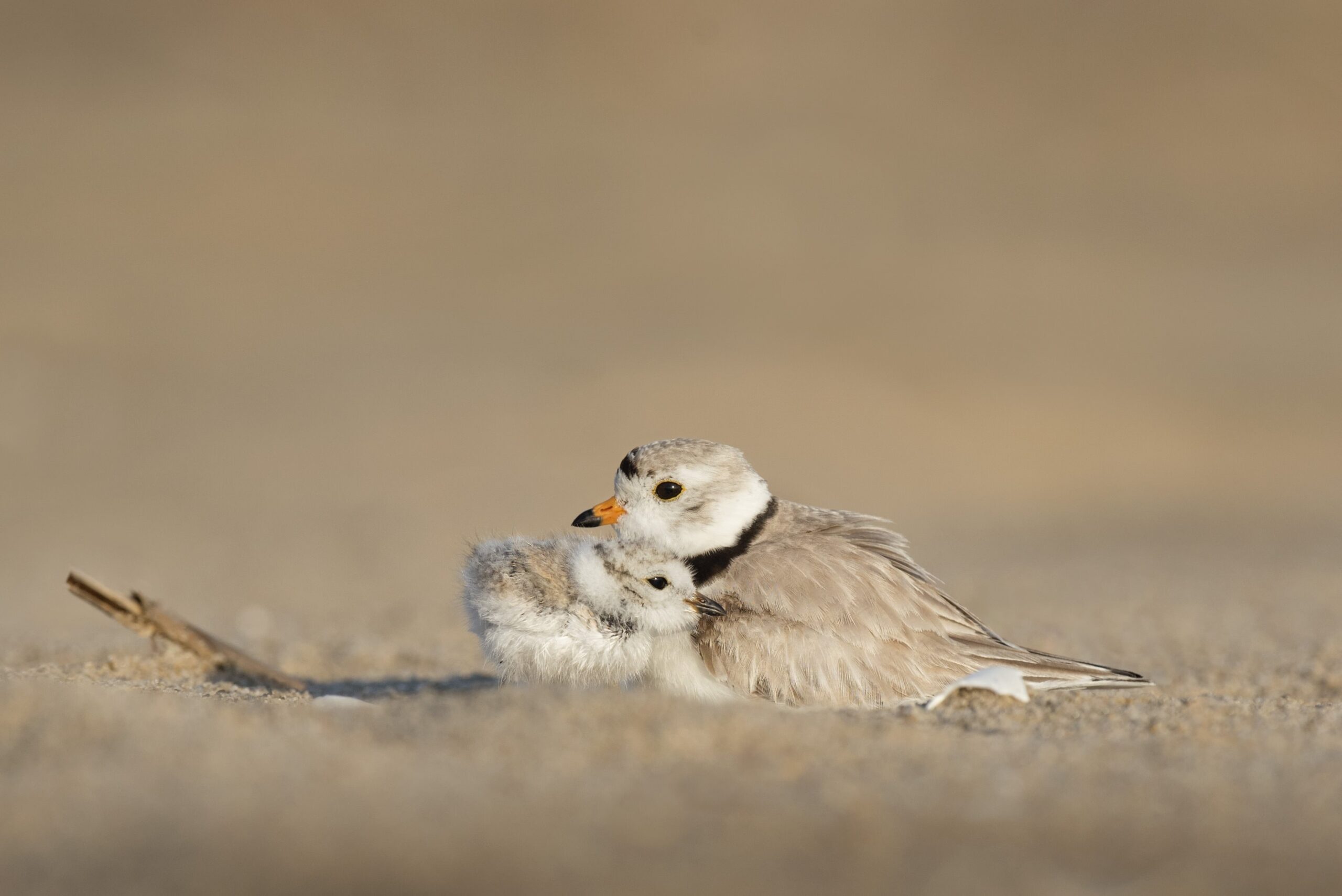
On Friday, July 10, the U.S. Department of the Interior’s decision to remove habitat destruction from the definition of “harm” under the Endangered Species Act represents a profound setback for wildlife protection in America. This decision ignores a fundamental reality: wildlife cannot survive without habitat. Protecting a species while allowing the destruction of the places it depends on to feed, breed, and shelter is not meaningful protection. It undermines one of the core principles that has guided the Endangered Species Act for more than 50 years: that saving species requires protecting the ecosystems they need to survive.
“Harm” has long included destroying or degrading habitat in ways that kill or injure endangered species, even when the species itself was not the direct target. For example, clearing a wetland that results in the death of a protected species has traditionally been considered “harm” under the Endangered Species Act. Under the new rule, that broader interpretation no longer applies. By excluding many forms of habitat destruction from the definition of “harm,” the rule makes it much harder to hold people accountable for actions that can drive endangered species toward extinction.
Openlands submitted a public comment opposing this rule change in May 2025 – a position shared by 99% of the roughly 220,000 public comments submitted on the proposal, according to the New York Times. The widespread concern about this change was also reflected in formal action by state leaders, including Illinois Attorney General Kwame Raoul, who, alongside fifteen other state attorneys general, filed comments opposing the rule. They warned that “this change risks undermining decades of progress in species conservation and places America’s wildlife under an even greater threat of extinction.”
On Friday, July 17, the ESA was further weakened in two additional areas. One regulatory change eliminates the automatic protections against killing, trapping, and other prohibited forms of “take” under the “Blanket Rule,” which provided threatened species the same protections as endangered species. Without this safeguard, many species will be left vulnerable while waiting for new species-specific rules to be adopted and only receive protection on a case-by-case basis. The second regulatory change allows “economic considerations” to overrule designations of “critical habitat.” Both changes further imperil endangered species by leaving threatened species increasingly vulnerable and allowing economic interests to greatly influence decisions on critical habitat.
Advocates from Openlands’ network submitted over 200 public comments in opposition to the elimination of the “Blanket Rule” last December.
This moment should serve as a reminder of what is truly at stake. Across the United States, we continue to lose and fragment the natural landscapes that sustain life – from forests and wetlands to grasslands and rivers. Pollinators continue to struggle, and native ecosystems face mounting pressure from development, invasive species, and a rapidly changing climate. Grassland birds have experienced some of the steepest population declines of any group of birds in North America.
These trends have unfolded despite the protections of the Endangered Species Act – not because those protections have gone too far, but because the challenge of conserving habitat has never been greater. In our region, Illinois and the broader Midwest are home to remarkable landscapes, and many threatened and endangered species depend on them. Conservation efforts continue to protect and restore these critical habitats, including the ongoing grassland restoration at Midewin National Tallgrass Prairie, which spans roughly the area of 1,000 football fields.
At Openlands, we believe lasting conservation begins with the land. For more than 60 years, we have worked to protect the landscapes that sustain wildlife and communities across our region. Species do not survive in isolation; they depend on healthy, connected ecosystems. Protecting those systems is essential to conserving the extraordinary natural heritage we all share.
The greater Chicago region is one of North America’s most ecologically remarkable landscapes. It is also one of the birthplaces of modern ecology, where generations of scientists, conservationists, public leaders, and community advocates have demonstrated that protecting nature and building thriving communities go hand in hand. Our nationally unique network of county forest preserves and conservation districts stands as proof that conservation is an investment in the future, not an obstacle to progress.
As the federal government moves to weaken long-standing protections under the Endangered Species Act, Openlands is calling on policymakers at the federal and state levels to advance legislation that ensures endangered species receive the protections they deserve. Since it was signed into law in 1973, the Endangered Species Act has prevented the extinction of 99% of the species under its protection, helping recover iconic wildlife such as the Bald Eagle and American Bison. Yet the work is far from complete. As of 2023, 1,669 species remained listed under the Act, while only 70 had recovered sufficiently to be delisted.
Now is not the time to retreat from habitat conservation. It is time to recommit to it. The science has not changed. Wildlife still depends on healthy habitats, and people still depend on healthy landscapes. As these rules move forward, Openlands will continue advocating for the places that sustain life and for the laws that recognize their value. We will keep you informed and share ways to take action at key moments.