
Flooding. It’s not a new issue in Chicago due to an estimated 66% of the city covered by impermeable surfaces like concrete and asphalt and historically filled-in wetlands. However, climate change is driving more intense rain events that are making the issue worse. For instance, many locals will remember in 2023 when downpours brought 9 inches to certain Chicago neighborhoods in a single day. Combining all these factors, there is a clear need to manage rainfall effectively.
In response, the City of Chicago recently released its updated Green Infrastructure Strategy, the first major update since 2014. The strategy emphasizes equity and community engagement and outlines a citywide approach to reducing flooding and expanding climate resilience through green infrastructure. Chicagoans are encouraged to submit comments on the strategy through the City of Chicago Department of Environment’s website from now until July 10, 2026.
The City’s new Green Infrastructure Strategy defines three key priorities: cross-agency coordination, long-term maintenance, and equity and community engagement. The strategy calls for clearer goals, stronger cross-department collaboration, funding, and shared language. Critically, it also calls for more intentional planning for maintenance, recognizing that green infrastructure only succeeds when it’s maintained correctly. The plan underscores the need to deploy future green infrastructure equitably, ensuring engagement is robust, so investments reach the communities most impacted by flooding and environmental inequities.
But what exactly is green infrastructure?
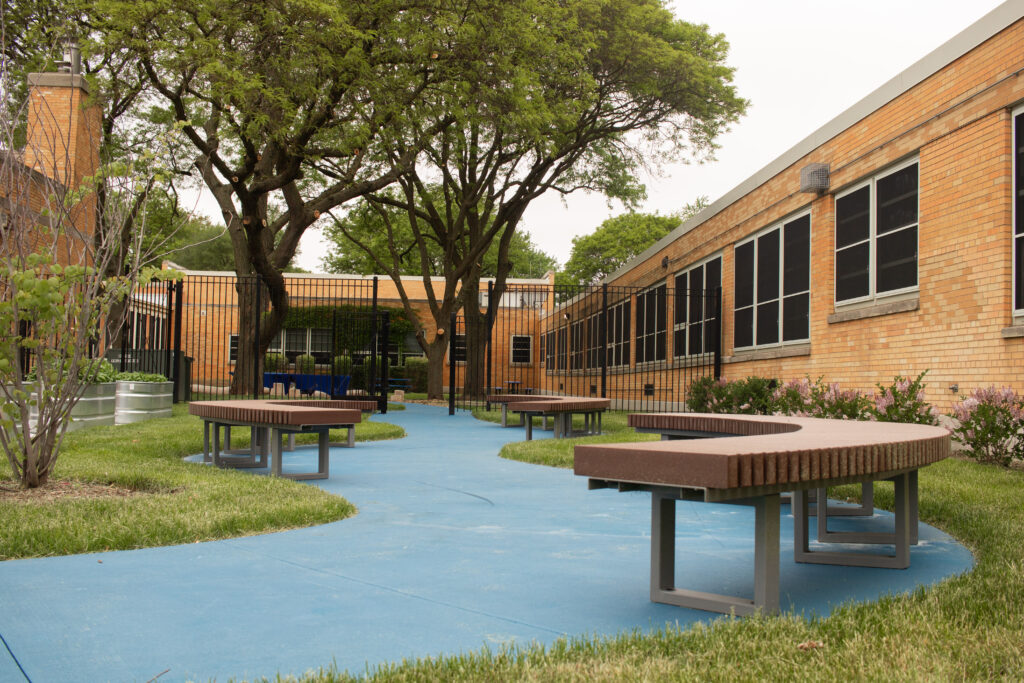
Green infrastructure refers to features and methods designed to capture, slow, and absorb stormwater, thereby reducing water flow to sewer systems. These solutions are often nature-based, including rain gardens, trees, and parks or preserves. Sometimes, they are built infrastructure such as permeable paving: a type of pavement differing from conventional asphalt and concrete that allows water to infiltrate into the soil. Green infrastructure is critical to a city like Chicago, which was built on marshland, and helps reduce basement backups that often impact Chicagoans, causing damage to homes and unnecessary health risks.
While the city has made strides in implementing more green infrastructure since 2014, more needs to be done to reduce the flooding that affects thousands of Chicagoans each year. The significant rain events that delivered over five inches of rainfall in a short period in the summer of 2025 could become more common by 2050. Looking over the last 20 years, these flood events resulted in billions of dollars of damage due to inadequate storm storage across the region. But by better managing our current green infrastructure and investing more in the future, we can be more resilient to increasing rainfall.
Green Infrastructure at Chicago Public Schools
When implemented effectively, green infrastructure can not only reduce flooding but also deliver immense health benefits and improve community well-being by cooling dense urban neighborhoods during the summer, improving water quality, and creating habitat for local wildlife. A clear example of this is Space to Grow, a joint program between Openlands and Healthy Schools Campaign, together with capital partners including Chicago Public Schools, the Chicago Department of Water Management, the Chicago Department of Environment, and the Metropolitan Water Reclamation District of Greater Chicago.
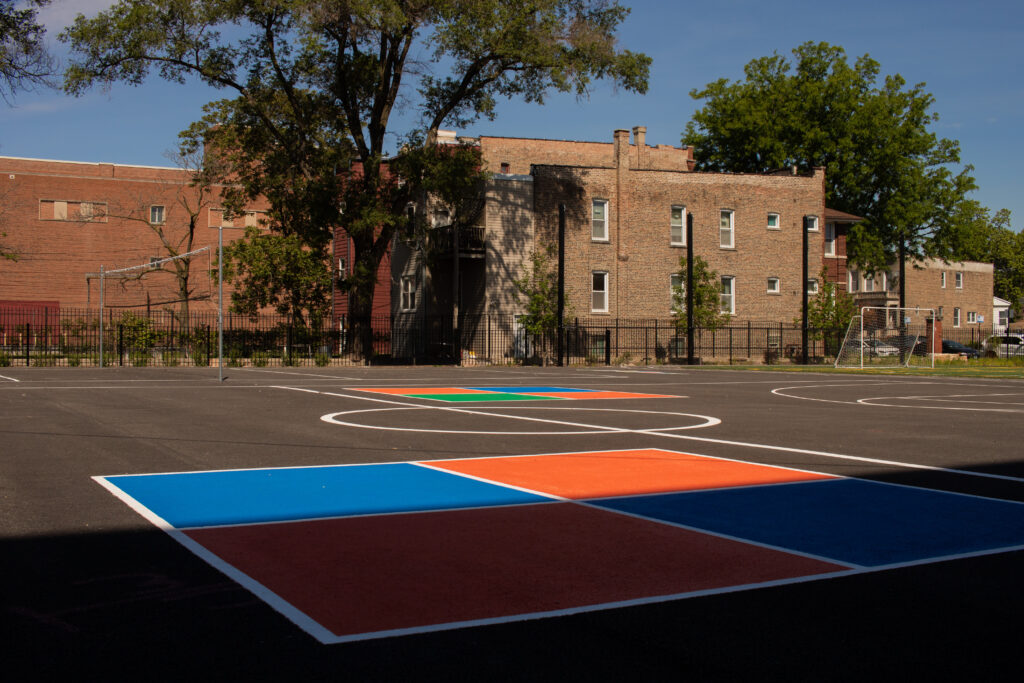
Space To Grow is highlighted in the strategy as it incorporates a variety of green infrastructure methods. The program focuses on transforming CPS schoolyards into permeable, vibrant parks and green spaces. To date, 41 schools across Chicago have participated in the program and have a combined retention capacity to store approximately 8.7 million gallons of water per rain event, with roughly the equivalent of 11 football fields of permeable surface added. In addition, these schools engage over 10,000 students in outdoor classrooms and provide safer places to play versus expanses of asphalt.
As an advocate for nature-based solutions in Chicago, Openlands has increasingly focused on the proper maintenance of green infrastructure. That’s why Openlands was proud to help shape this strategy, with Daniella Pereira, Chief Operating Officer at Openlands, serving on the steering committee.
With this updated strategy, we can move from vision to action. The next steps will focus on building a citywide inventory of green infrastructure assets, securing vital funding to maintain current and future green infrastructure, and establishing a coordinated citywide approach to everything from community partnerships to mapping tools. While change will take time, this strategy lays out important groundwork for scaling green infrastructure across Chicago in a more coordinated and equitable way.
But that work will take the support of residents, just like you, making their voice heard. The public comment period is open until July 10, 2026. This is your opportunity to help shape how Chicago addresses flooding, strengthens climate resilience, and creates healthier neighborhoods for every community that calls the Windy City home.