
With so many environmental challenges happening right now, it’s easy for the state of the conservation to feel heavy and overwhelming. Across Illinois and beyond, ecosystems are constantly facing pressure – from habitat loss to pollution or climate-related challenges– these pressures can make progress feel slow and daunting. Yet even in the midst of these challenges, moments of hope and impact shine through.
In 2025, those bright spots showed up in restored wetlands, thriving wildlife, greener schoolyards, stronger communities, and people stepping up for the places they love . This blog reflects progress and collaboration, and reminds us of our lasting commitment to people and nature across the Chicago region. Together, these stories showcase the impact that Openlands and the broader conservation community are having on a resilient future where people and nature can thrive together.
1. A new plan for the next five years (Openlands)
Openlands debuted its new five-year strategic plan at the Openlands Annual Luncheon. The 2026-2030 strategic plan is a roadmap for the next generation of conservation leadership in the region focusing on five priorities: land-centered leadership, resilient & connected landscapes, people and places, conservation innovation, and organizational excellence.
Land-centered leadership
2. Standing up for the lakefront (Openlands)
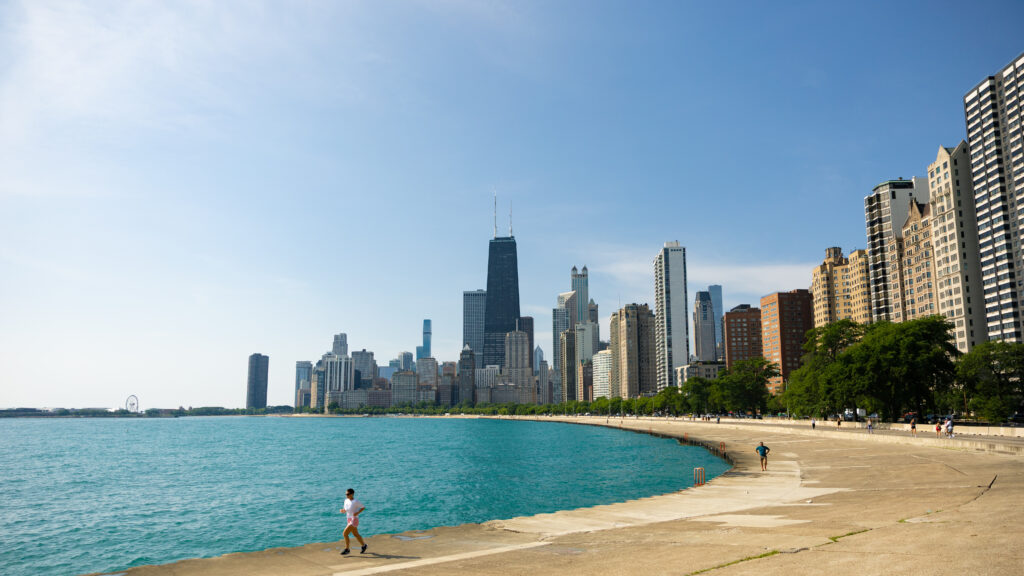
Openlands released a new report calling for action to bring lakefront protection, planning, and community engagement to the forefront of conversations. The report, The Chicago Lakefront: Protected, Yet Precarious, urges the City to strengthen legal safeguards that protect the lakefront now and for generations to come.
3. Legislative wins for land conservation (Openlands)
Openlands celebrated key legislative victories in Springfield to strengthen land conservation efforts statewide. Among the wins were Township Open Spaces, HB 1367 and the Indigenous Peoples’ Conservation Rights Act, HB 1605.
4. Hackmatack expansion celebrated (Shaw Local)
U.S. Senator Dick Durbin visited Hackmatack National Wildlife Refuge to celebrate its expansion through the nearly 1,000-acre purchase and reaffirm the importance of protecting wetlands, prairies, and woodlands for wildlife habitat, climate resilience, and public enjoyment.
5. No little plans for the lakefront (Crain’s Chicago Business)
Michael S. Davidson, Dan Lurie, and Joel Brammeier highlighted in Crain’s Chicago Business the importance of preserving the environmental integrity of the southern tip of the Chicago lakefront as the new quantum site development moves forward.
Resilient and connected landscapes
6. Major wetland restoration milestones in Hadley Valley and Deer Grove (Daily Herlad / WTTW / Journal & Topics /WJOL/ Shaw Local / Will County News)
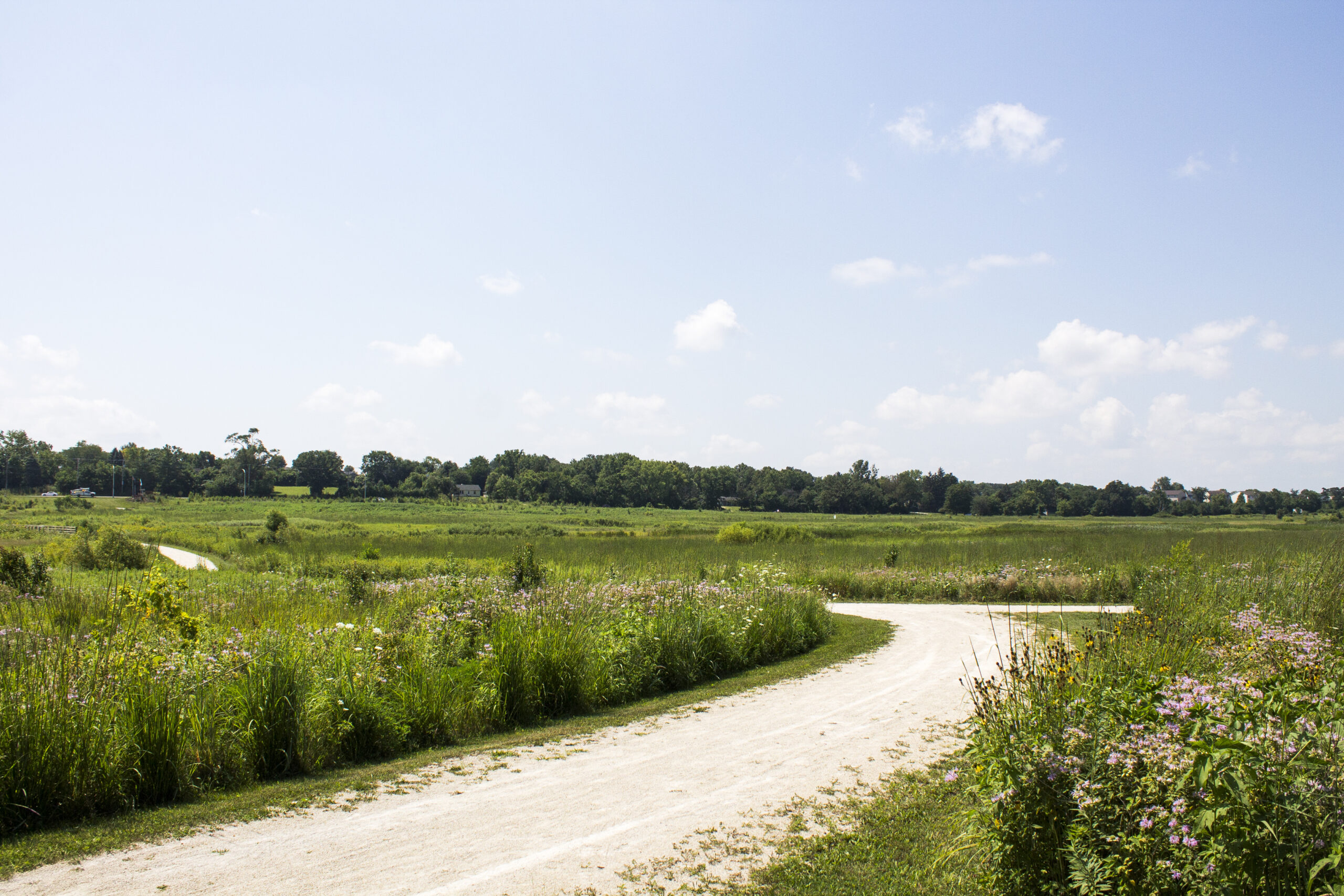
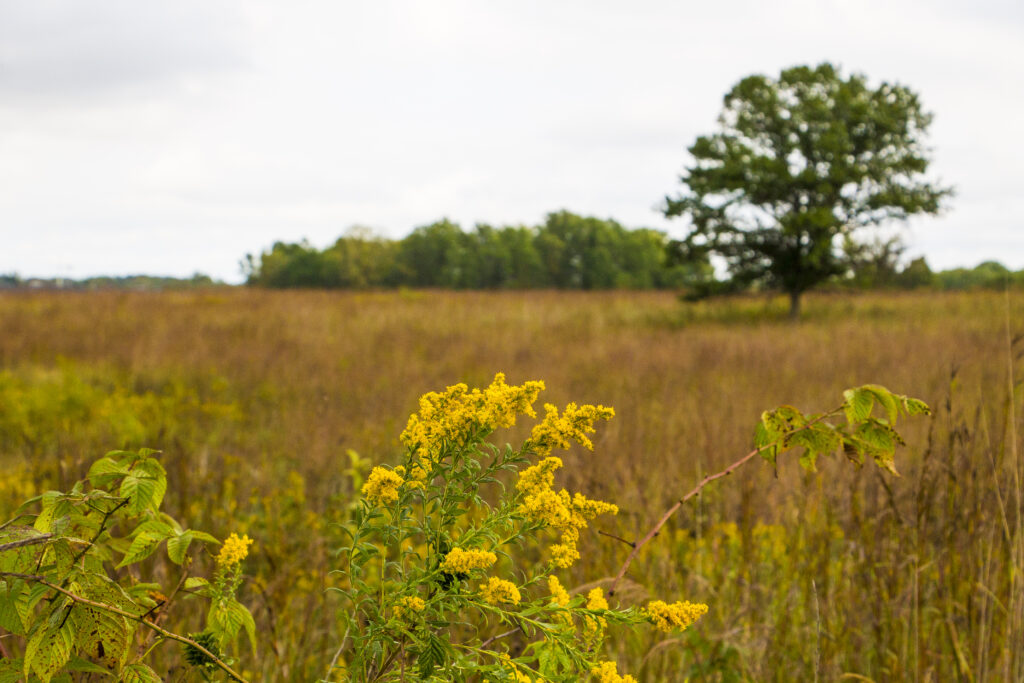
After nearly two decades of work, the O’Hare Modernization Mitigation Project (OMMA) reached a major milestone with the completion of restoration work at Deer Grove Forest Preserve in Cook County and Hadley Valley Preserve in Will County – two of five sites restored that welcomed public and press tours this summer. At Deer Grove, 589 acres were restored, including 41 acres of wetlands, along with extensive restoration of prairies, woodlands, and other natural areas. Similarly, at Hadley Valley, restoration efforts restored 192 acres, including 60 acres of wetlands. Together with the three other sites in the Des Plains River watershed, Openlands closed the books on the OMMA project, demonstrating how long-term partnerships can strengthen ecosystems and help protect communities from the growing impacts of climate change.
7. Prairie and wetland return to Hackmatack (Friends of Hackmatack)
Friends of Hackmatack and Openlands restored 50 acres of wetlands and prairie habitat in the Refuge. This work converted croplands back into thriving ecosystems, increasing ecological richness within the refuge region.
8. Native gardens take root (Illinois Environmental Council)
A growing number of Illinois homeowners replaced traditional lawns with native plants, helping restore habitat for pollinators and birds, reduce water use, and limit chemical runoff. The Illinois Environmental Council recognized how native gardens support biodiversity, improve soil health, and empower residents to take meaningful climate and conservation action right in their own backyards.
9. Wildlife returns to restored land (Openlands)
From birds and pollinators to amphibians and plants, iconic species returned to restored landscapes like Deer Grove, Hadley Valley and Hackmatack, offering visible proof that long-term restoration works.
10. Montrose Beach had a moment (WTTW / Chicago Sun-Times / Chicago Tribune)
In 2025, Montrose Beach stole the spotlight: for the first time in years, endangered piping plovers successfully hatched at Chicago’s Montrose Beach, signaling the success of habitat protection and species recovery efforts. Later in the year, Chicagoans witnessed an unusual sighting as the aurora borealis appeared over the lakefront and a pair of snowy owls were seen in the area.
11. Nine new invasive species regulated in Illinois (University of Illinois Urbana-Champaign)
Invasive species can crowd out native species while they spread quickly, reducing wildlife habitat, changing soil chemistry, and even limiting the growth of other species. Regulations came into effect on October for eight plants including the tree-of-heaven, garlic mustard, leafy spurge, sericea lespedeza, Japanese stiltgrass, Amur corktree, black swallowwort, and pale swallowwort. Regulation for the callery pear tree will take effect in January, 2028 due to existing nursery stock.
12. Cook County Forest Preserves finds the way to grow its own native seeds supply (WTTW)
After a nationwide shortage of native seeds needed for habitat restoration, the Forest Preserves of Cook County teamed up with the Chicago Botanic Garden to grow its own native seed supply. By establishing seed beds and wild seed gardens, this effort aims to produce thousands of pounds of diverse native seeds to support restoration projects across the region.
People and Places
13. Northerly Island Turns 100 (Mas Context)
As Northerly Island marks its 100th anniversary, reflections, including for Openlands President Emeritus, Jerry Adelmann, highlight its transformation from airfield to urban nature preserve, showcasing how thoughtful planning can restore habitat, support biodiversity, and create meaningful connections between people and nature.
14. TreeKeeper community grows across Chicago (Openlands)
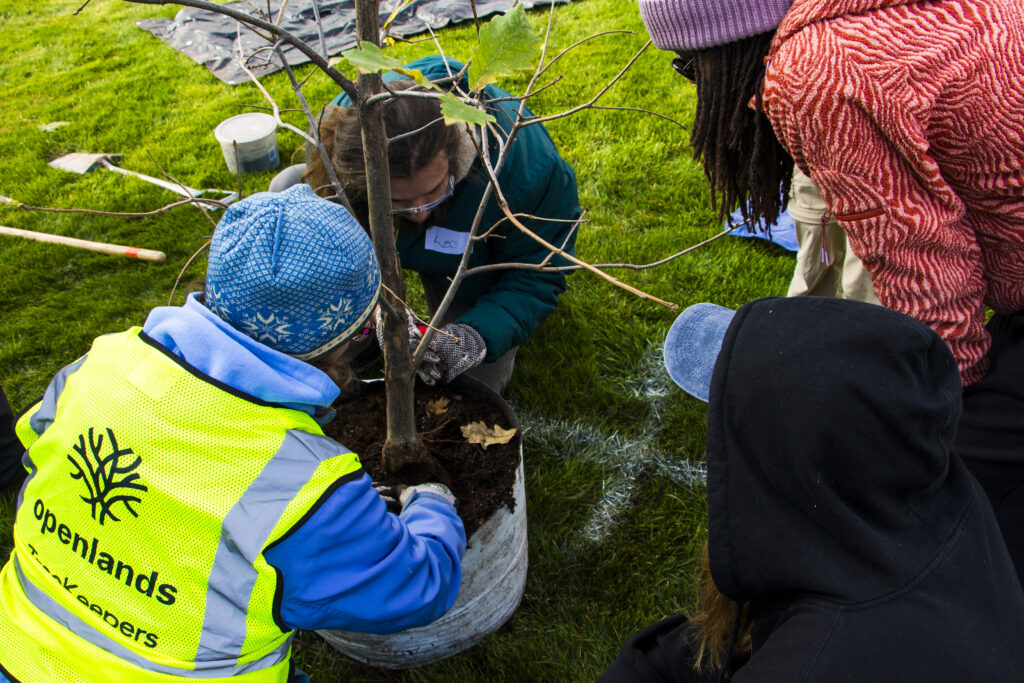
Openlands welcomed 123 new TreeKeepers plus 19 graduates from our Spanish TreeKeepers course, bringing the total to more than 2,337 tree advocates caring for our region’s trees.
15. 18 more communities across Chicago receive Green Region grants (ComEd)
Openlands and ComEd granted over 150,000 to 18 Illinois communities to drive conservation projects, habitat restoration, and green space improvement. This year, the longstanding partnership gave special consideration to projects that helped the region adapt to climate change and support pollinator conservation.
16. Space To Grow reaches 10-year milestone (Chicago Tribune)
The program celebrated its 10-year anniversary, marking a decade of transforming schoolyards into greener, healthier spaces for students and surrounding communities. The Chicago Tribune highlighted how these once-concrete spaces are becoming green, flood-resilient community hubs where kids can learn, play, and connect with nature.
17. Seven schoolyards transformed across Chicago in 2025 (CBS Chicago / ABC 7 / WBEZ / Fox 32 / Citizen Weekly)
Space to Grow cut the ribbon on seven newly transformed Chicago Public Schools (CPS) schoolyards across the South, Southwest, and West Sides. These openings mark an important milestone with 41 completed schoolyards across Chicago.
18. New boat launch improves accessibility at Beaubien Woods (Block Club)
Visitors now enjoy a boardwalk and universally accessible boat launch at Beaubien Woods, improving access to the forest preserve and waterways. The project which stands at the beginning of the African American Heritage Water Trail – an area championed by Openlands since 2020– offers visitors recreational opportunities, and demonstrates how thoughtful design can make natural spaces inclusive for all community members.
19. Swimmers return to the Chicago River (Block Club)
For the first time in more than a century, swimmers returned to the Chicago River. This milestone underscores decades of cleanup, habitat restoration, and efforts by local environmental organizations, showing that urban waterways can once again be safe, vibrant spaces for recreation and community connection.
20. Former Openlanders honored with Force of Nature Awards (Chicago Wilderness Alliance)
The Chicago Wilderness Alliance recognized outstanding organizations and leaders with its 2025 Force of Nature awards. This year, former Openlander, Linda Masters was awarded for her restoration projects around the five major sites of the O’ Hare Modernization Mitigation Project.
21. 50 volunteers from a church in Waukegan are making their community greener and healthier (Lake County News-Sun )
St. Paul’s Lutheran Church in Waukegan discovered Openlands’ TreePlanters Grant and requested trees to benefit the local community which had low canopy coverage. After the trees were planted, Rev. Mark Rollenhagen said ‘’Trees offer us hope. It is a resistance campaign of hope, of trusting that despite these trying times, there is a future and it will be good.” Trees in the are will help cool streets, improve air quality, and build community connections.
22. Openlands hosted From Rails to Trails documentary premier with WTTW (Chicago Sun-Times)
From Rails to Trails highlights the political and community journey behind rails-to-trails projects across the country, including the Chicago region. Openlands played an instrumental role in the rails-to-trails movement as one of the original champions for the Illinois Prairie Path, the first rails-to-trails conversion in the country that went on to become an international model for recreational development.
Conservation Innovation
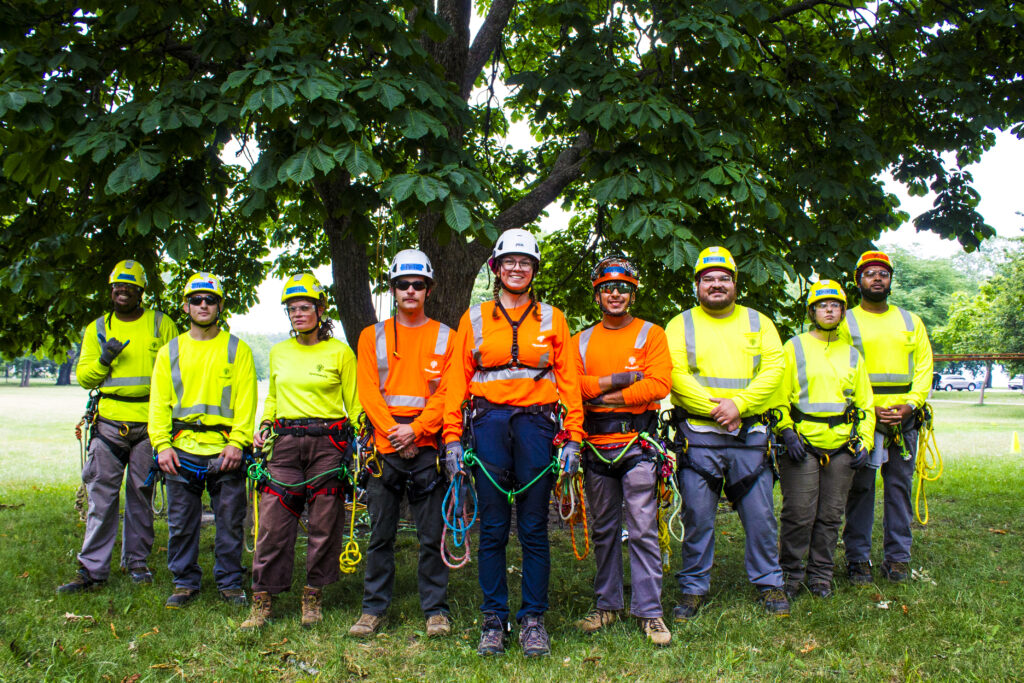
23. Arborist Apprenticeship Program spotlighted on Hire Frequency Podcast (Spotify)
The Arborist Registered Apprenticeship was featured in the Hire Frequency Podcast with George Wright, showcasing the importance of workforce development to strengthen Chicago’s tree canopy. Read Lisa Mende’s inspiring story, the first apprentice to complete the three-year Arborist Registered Apprenticeship program.
24. McCormick Place is now a safe building for birds (New York Times)
Chicago’s McCormick Place installed bird-safe window film along its glass facade, dramatically cutting migratory bird collisions and reducing deaths by about 95%. This innovation will help set a strong example for other buildings in the area and in the region to protect wildlife.
25. Chicago builds the nation’s largest air quality monitor network (Chicago Sun-Times)
Chicago has installed nearly 300 air pollution sensors citywide, creating the largest high-quality air monitoring network in the U.S. to help communities better understand local air quality, inform industrial development decisions, and advance environmental justice in neighborhoods historically affected by pollution. Openlands serves on the advisory board for the Chicago Air Sensor Network, helping guide the expansion of the sensor network and strengthen efforts to protect public health.