

Here in northern Illinois, spring is finally in the air. The days are stretching longer, plants are budding, and bird song drifts through open windows. Bird migration increases in April as birds move north from their southern wintering grounds. Our region’s abundant ecosystems and habitats provide food, shelter, and breeding grounds for migrating birds, demonstrating a key benefit of land conservation.
Bird migration is an incredible global spectacle, and the Chicago region sits on the Mississippi Flyway, one of four major migration flyways in the United States. Millions of birds migrate through every season. In 2025, an estimated 17,268,200 birds flew over Cook County between March 1st and May 1st according to the Cornell Lab of Ornithology’s BirdCast. Gathering data from weather radar, BirdCast allows users to look at migration numbers for their county or state.
The ability to track migration has improved with technology, and there are multiple ways to monitor migrating birds. Based at the University of Illinois Urbana-Champaign, Dr. Benjamin Van Doren and partners, including J’orge Garcia and the Windy City Bird Lab, use bioacoustic monitoring devices to track nocturnal flight calls of migrating birds. This dashboard shows the current bird species detected and the location of the monitoring devices.
Migration timing varies for different species, and some birds migrate earlier in spring than others. Experienced birders know what time of year most birds will start arriving. Seeing the first migrant of each species is commonly written as “FOY” (First of Year) on birding checklists. Interested in birding this spring? Check out the Openlands Get Outside Map for birding hotspots across our region. Here are five early spring migrants to look for:
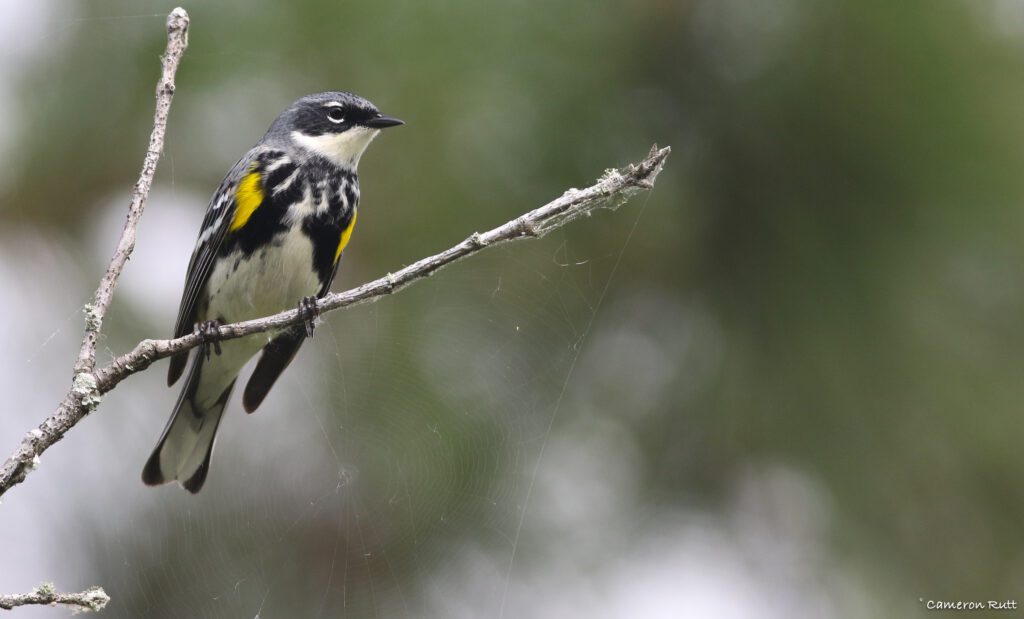
Yellow-rumped Warbler
The Yellow-rumped Warbler is the first warbler to arrive during spring migration, a welcome sign of spring for many. The birds have a yellow rump as well as yellow patches on their sides, and a black mask which is more prominent on males. These energetic birds can be seen acrobatically catching insects as they fuel up for their journey farther north.
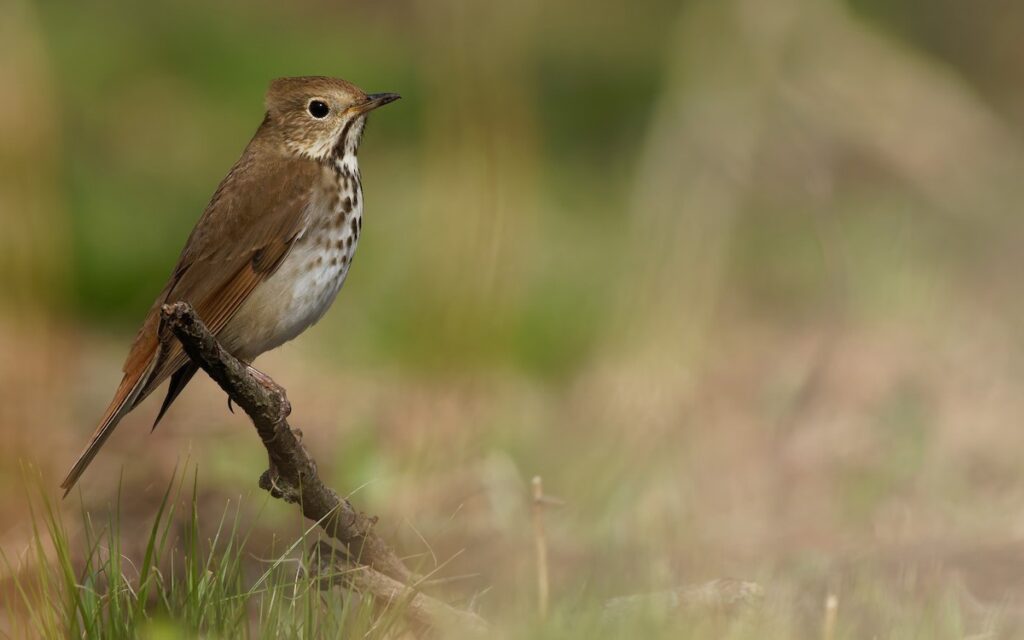
Hermit Thrush
Hermit Thrushes arrive earlier than the other “spotted thrushes.” Although Hermit Thrushes closely resemble Swainson’s and Gray-cheeked Thrushes, their reddish tail, which contrasts with their brown back, differentiates them. If you are lucky enough to hear a Hermit Thrush sing, you’ll be treated to a beautiful flute-like melody of paired phrases.
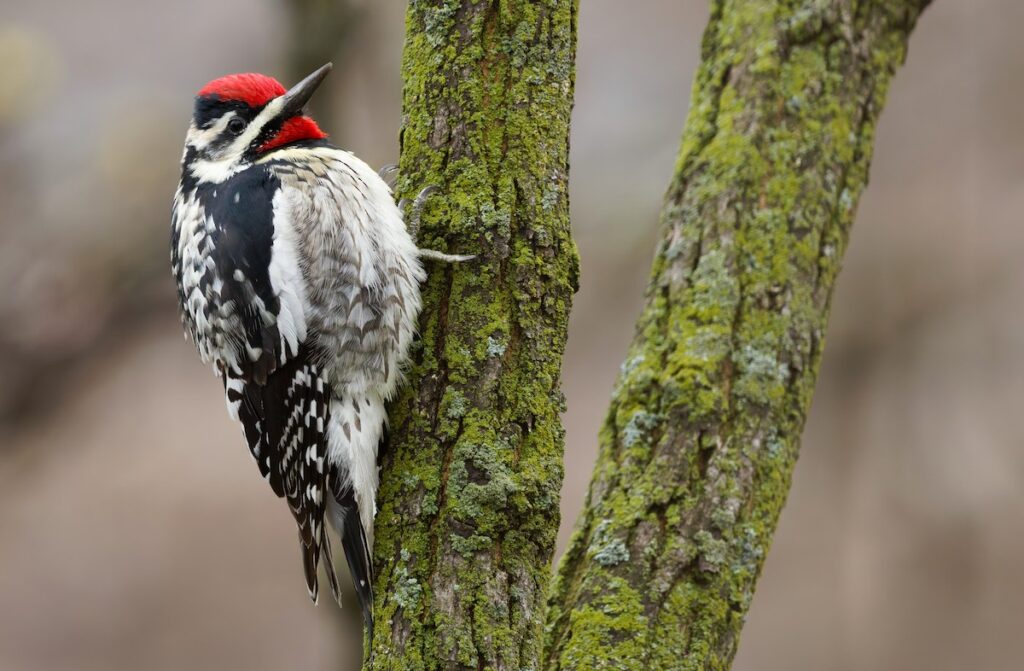
Yellow-bellied Sapsucker
Who doesn’t like a name like Yellow-bellied Sapsucker? They are one of three migratory woodpeckers in the area, alongside Northern Flickers and Red-headed Woodpeckers. Yellow-bellied Sapsuckers drill holes in trees to release sap, and while they eat this sap, they also eat insects attracted to the sap. To identify, look for a large white patch on the wing, a red crown, and a red throat on males.
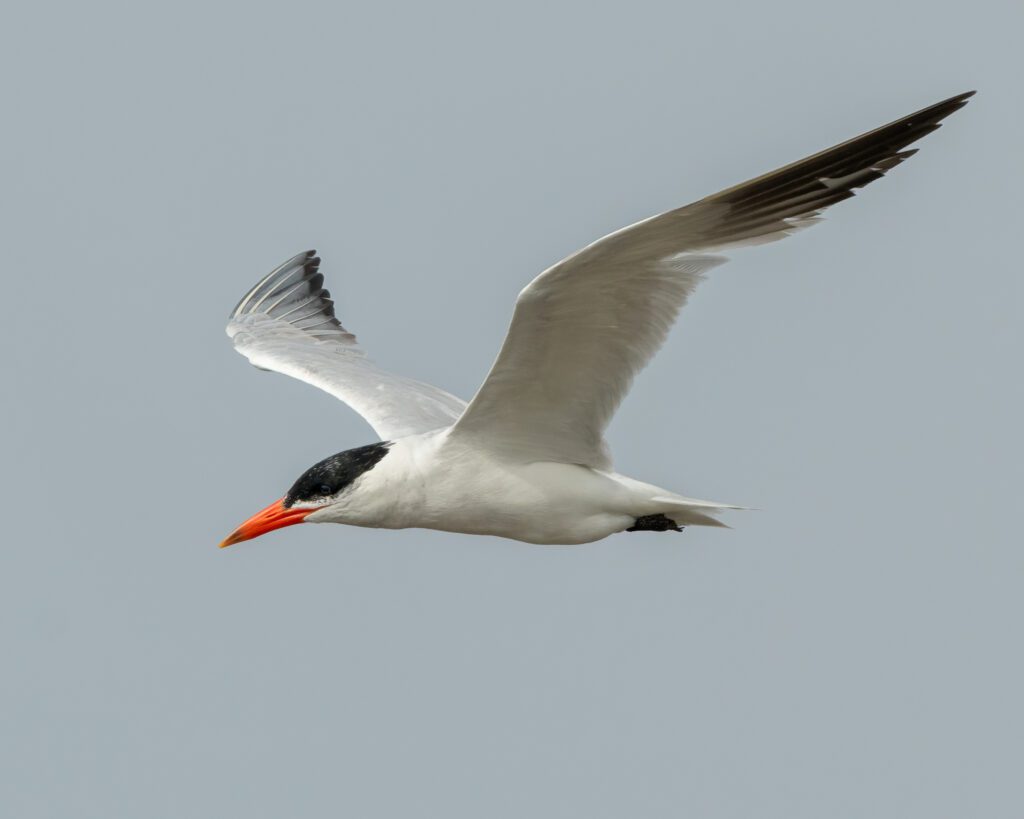
Caspian Tern
Along Lake Michigan or inland lakes and lagoons, look for the largest tern in the world returning, the Caspian Tern. They fly above the water, scanning below, and dive headfirst to catch fish. While about the same size as Ring-billed gulls, a common bird in the region, Caspian Terns are separated by their black cap and red bill.
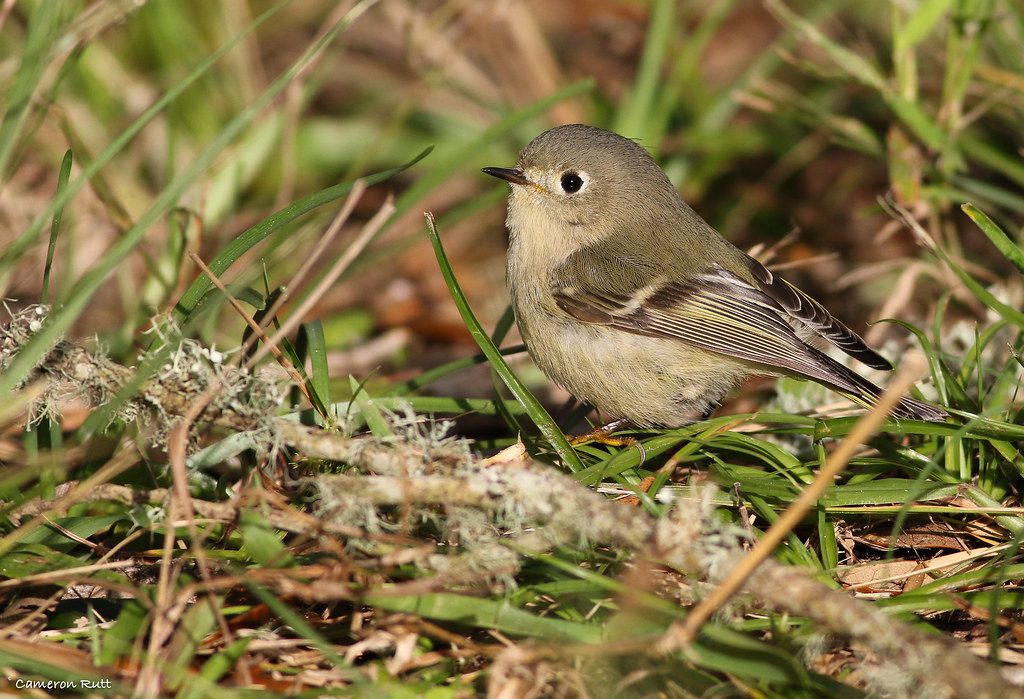
Ruby-crowned Kinglet
Ruby-crowned Kinglets are one of two kinglets, along with the Golden-crowned Kinglet, that migrate through northern Illinois. At first glance, Ruby-crowned Kinglets might simply look like very small, gray birds with olive tones. However, males have a red crest they can raise when excited, and it is quite striking if you are lucky enough to see the crown.
Openlands is focused on supporting and advancing bird conservation across the region. Our work includes land protection, policy advocacy for bird-friendly design standards, and ongoing habitat restoration. We are currently restoring over 1,300 acres of grassland bird habitat at Midewin National Tallgrass Prairie – now the largest active restoration effort of its kind in the region in partnership with The Wetlands Initiative and the U.S. Forest Service.