The greater Chicago region is governed by an unusually complex web of local decision making. With more units of government than any other metropolitan area in the nation, land policies are often fragmented and misaligned with the region’s shared natural landscapes. At the same time, municipalities and the State of Illinois face growing pressure from federal rollbacks, climate impacts, and development demands, making clear, land-centered leadership more essential than ever.
Openlands’ 2026 Policy Agenda is a call to lead in this moment. Grounded in political reality, it lays out a practical path to protect key landscapes, strengthen ecological connections across jurisdictions, and keep nature healthy, accessible, and resilient for generations to come. The agenda is primarily Illinois-focused, reflecting where most of our service area and staff are based. For the few counties we serve in southeastern Wisconsin and northwest Indiana, we will remain available to support partners as needed, following their lead on regional policy priorities.
The agenda spans the City of Chicago, our broader region, the State of Illinois, and federal policy, advancing a coordinated approach that matches the scale of the challenges we face.
Chicago Priorities
As the third largest city in the country, Chicago is home to millions of people who want to live in a healthy, beautiful, and thriving place. Nature is central to that promise. From the lakefront and the rivers to tree-lined neighborhoods and parks, Chicago’s natural assets define its character and shape daily life.
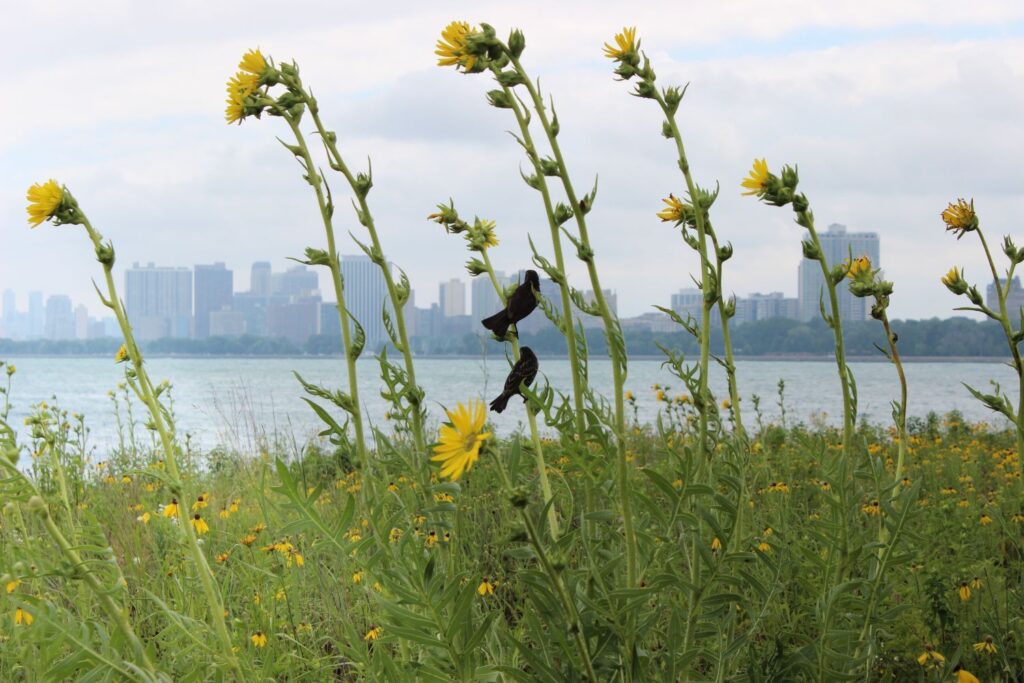
The city is also home to diverse wildlife and serves as an essential stopover for millions of migrating birds each spring and fall along the Mississippi Flyway. Our policy agenda builds on these strengths, using Chicago’s own landscapes as the blueprint for a more livable, resilient, and nature-rich city.
Protecting Chicago’s vital urban landscapes: the Lakefront and the Chicago-Calumet River System: With 26 miles of Lake Michigan shoreline and more than 155 miles of riverfront, Chicago is defined by its water. These landscapes are not only ecological assets, they are civic spaces that shape public health, economic vitality, and democratic access to nature. Our work in 2026 will advance a unified vision: connected, protected, and publicly accessible waterways across the city.
On the lakefront, we will build on our recent report, The Chicago Lakefront: Protected, Yet Precarious, to pursue a comprehensive update to the Lakefront Protection Ordinance. Our goal is to establish clear development standards, improve transparency in approvals, and restore meaningful environmental review for major projects. These reforms will strengthen long-term protections while advancing a more continuous and accessible public lakefront.
Along the Chicago-Calumet River system, we will work through the River Ecology and Governance Task Force to align riverfront development with ecological health and public access. In partnership with the City and other stakeholders, we will help shape river-related plans and policies, including the Calumet Area Land Use Plan and a potential River Corridor Action Plan. We will also advocate for investments in water trails and access points, while supporting rigorous and consistent river development review so that each new project improves the river corridor over time.

Advancing green infrastructure reform for community and ecological resilience: In a dense city like Chicago, green infrastructure—trees, bioswales, permeable pavement, and native gardens—manages water naturally, cools neighborhoods, and strengthens ecological and community health.
In 2026, Openlands, in partnership with Healthy Schools Campaign, will help implement the Department of Environment’s Green Infrastructure Plan, advancing coordinated strategies to improve investment, maintenance, and long-term impact across the city.
We’ll push for reforms that protect Chicago’s urban forest, expand native and pollinator gardens, and ensure green infrastructure is incentivized rather than penalized.
Trees are central to this work. Through the Urban Forestry Advisory Board, we will support updating the Chicago Urban Forest Management Plan, completion of a citywide tree inventory, and the modernization of planting standards. We will also advance a Heritage Tree Ordinance to preserve mature canopy while maintaining public safety.
To expand native and pollinator gardens, Openlands will coordinate the launch of the Native and Pollinator Garden Registry, raising awareness, removing regulatory barriers, and establishing a clear pathway for residents to plant and maintain these gardens citywide.
Supporting a more environmentally just Chicago
Pollution disproportionately impacts areas where land use is dominated by heavy industry, often placing the greatest burden on low-income, Black, and Brown neighborhoods. These conditions harm both people and the natural landscapes around them, undermining soil, waterways, and green spaces.
In 2025, the Hazel M. Johnson Cumulative Impacts Ordinance was introduced to city council but has not yet passed. In 2026, Openlands will continue advocating for its passage, aiming to reduce pollution in already overburdened areas and promote conservation-forward development that benefits both ecosystems and community health.
Tell your alderperson to support the Hazel M. Johnson Cumulative Impacts Ordinance!
Regional Priorities
As a place-based regional conservation organization and accredited land trust, Openlands advances policy that shapes how our region grows. Our regional agenda focuses on smart land use and planning, strengthening a nature-based economy, and defending protected landscapes when they face new threats.
Advancing smart land use and planning for a thriving region
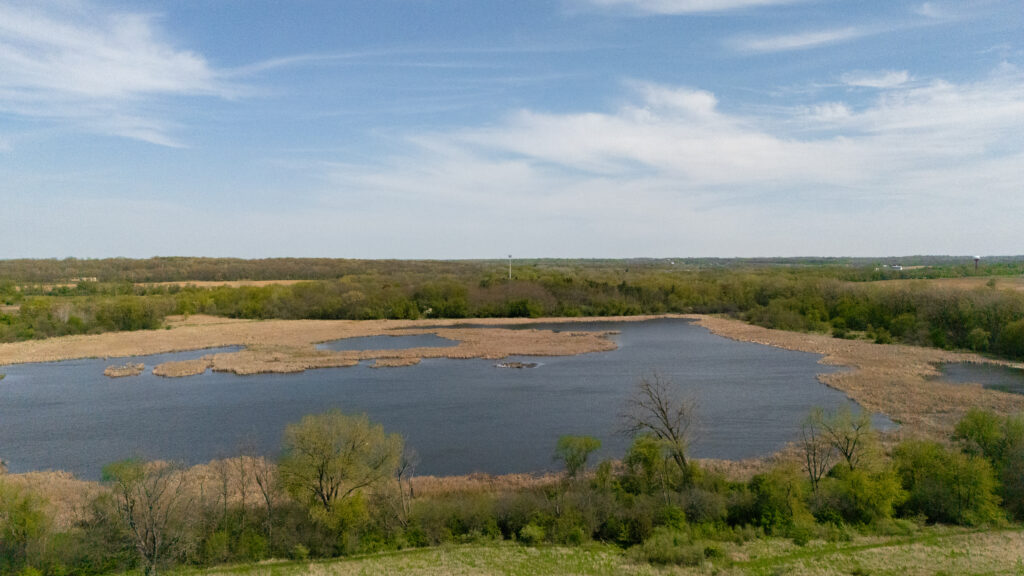
How and where we grow determines the future of our open space, natural areas, and working lands. Openlands plays an active role in shaping local and regional planning decisions to prevent fragmentation, protect previously conserved landscapes, and ensure conservation is integrated into development from the start.
In 2026, we will work closely with the Chicago Metropolitan Agency for Planning and the Chicago Wilderness Alliance to advance forward-looking land use policies that prioritize open space, biodiversity, and climate resilience. We will also participate in comprehensive planning efforts with the McHenry County Conservation District, the City of Joliet, and other jurisdictions to embed conservation principles into local plans and ordinances.
Importantly, Openlands will engage directly with real estate developers and design teams to proactively incorporate conservation into site plans and building design — protecting natural features, improving stormwater management, reducing habitat fragmentation, and creating developments that contribute to, rather than diminish, regional ecological health.
Promoting a nature-based tourism economy
Residents should not have to leave Illinois to experience extraordinary nature. Openlands is working across the region to strengthen a recreational economy that supports communities, expands access, and protects the landscapes that sustain it.
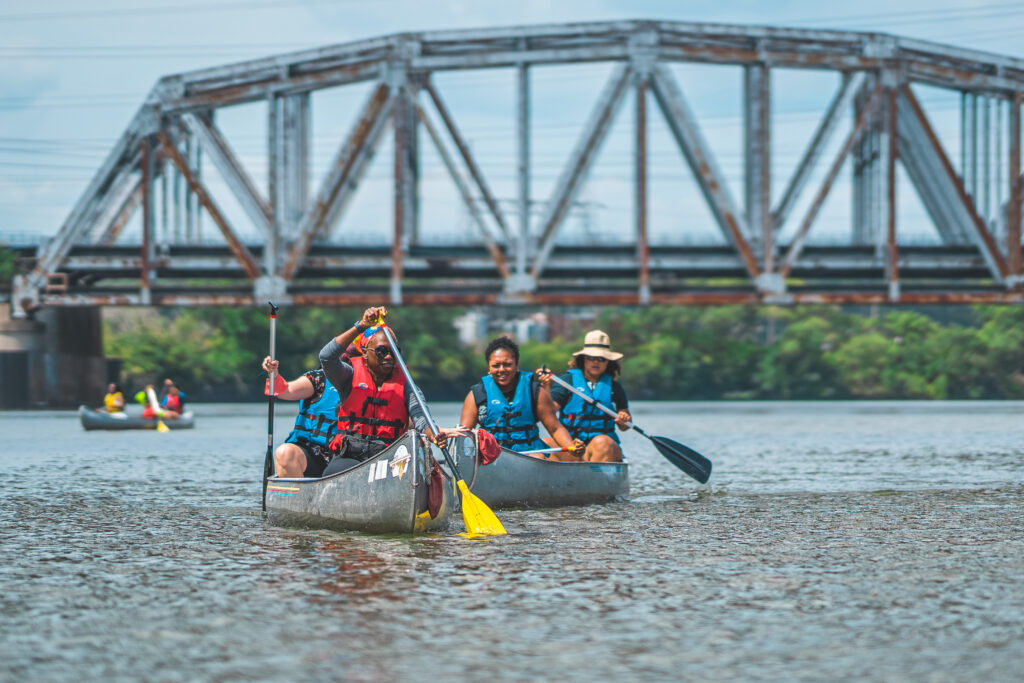
In 2026, we will partner with the Village of Richmond to support visitor infrastructure near Hackmatack National Wildlife Refuge; collaborate with the Forest Preserves of Cook County to expand paddling access along the Little Calumet River and strengthen connections to the African American Heritage Water Trail; and work with municipalities and organizations surrounding Midewin National Tallgrass Prairie to champion the economic and community benefits of conservation-driven tourism.
We will also continue working with Southland stakeholders to help build both the physical and financial infrastructure required for an inclusive conservation economy to take root and flourish — ensuring that investments in trails, access, habitat restoration, and visitor amenities translate into long-term economic opportunity for surrounding communities.
State of Illinois Priorities
As federal protections for land and water continue to erode, Illinois has both the authority and the responsibility to lead. In 2026, Openlands will work to safeguard critical natural resources at the state level while laying the groundwork for the next generation of conservation policy. Our strategy is twofold: defend what is at risk today and build the political will necessary to secure lasting, statewide conservation gains.
Supporting stronger wetlands protections in the face of federal retreat
Wetlands are among the most ecologically valuable landscapes in Illinois, yet only about 10 percent of the state’s original wetlands remain. In 2023, the U.S. Supreme Court significantly narrowed the scope of the Clean Water Act, and in 2025 a proposed federal rule further reduced protections.
Openlands will advocate alongside conservation partners for passage of the comprehensive Illinois Wetlands Protection Act, restoring state-level authority to safeguard critical water resources and prevent further loss.
Tell Governor Pritzker that protections for Illinois wetlands cannot wait.
Advocating for increased incentives to expand private land protection
As an accredited land trust, Openlands protects privately owned land through voluntary conservation easements. We will advocate alongside the land trust community for reforms that unlock new conservation opportunities, including passage of the Illinois Farmer Tax Benefit Act, which would provide a state income tax credit for 100% of the value of a donated conservation easement, or 50% of the value of a donate fee simple or remainder interest. Strengthening incentives for landowners will help protect natural areas and working lands for future generations.
Ask your state representative to support the Illinois Farmer Tax Benefit Act.
Advancing the land transfer of the 1,100-acre Lake County Greenway
Resilient and connected landscapes support wildlife movement and provide communities with meaningful access to nature. In partnership with the Illinois Green Corridor Coalition, Openlands will continue advancing the transformation of the former Illinois Route 53 corridor into a permanently protected 1,100-acre Lake County Greenway.
In 2026, we will advocate for the transfer of Illinois Department of Transportation land within the corridor to the Illinois Department of Natural Resources and support the formal master planning process led by the Lake County Forest Preserve District, building on funding our coalition helped secure.
Raising awareness and investment in the 500-mile Grand Illinois Trail
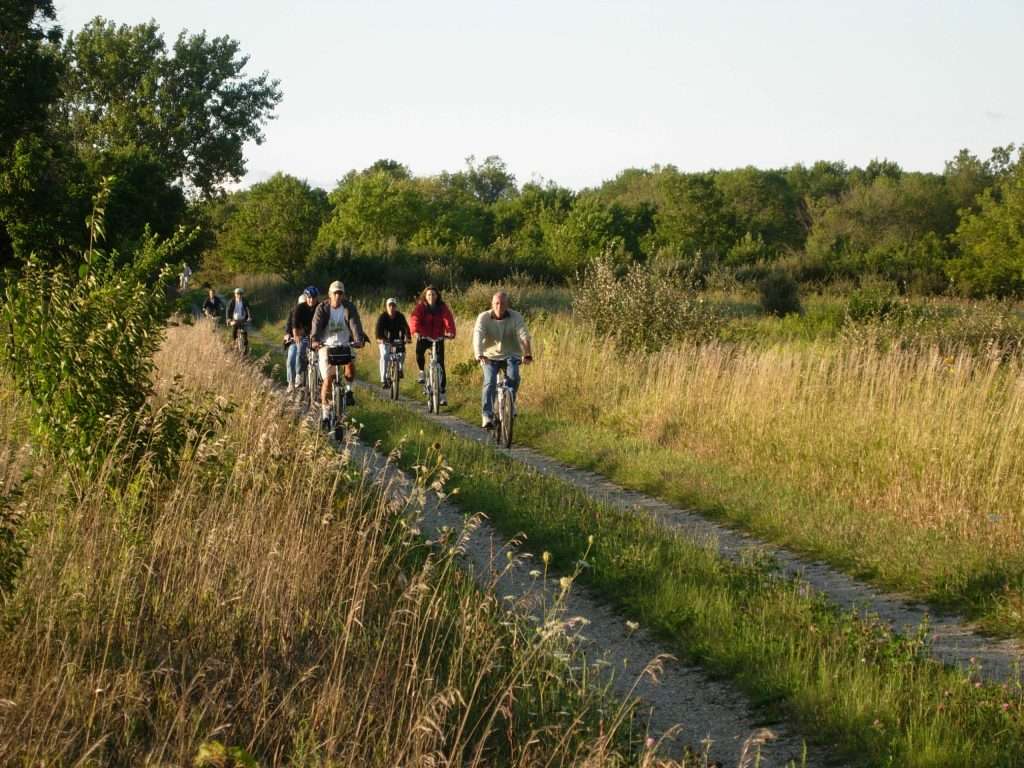
The Grand Illinois Trail, a 500-mile loop encircling northern Illinois, is now approximately 90 percent complete. In 2026, Openlands will work with the Grand Illinois Trail Alliance to increase awareness among elected officials and advocate for the resources needed to complete the remaining segments — strengthening connections between communities and linking Lake Michigan to the Mississippi River.
Building the foundation for long-term conservation progress
Illinois faces fiscal challenges amid rising costs, national economic uncertainty, and the potential disruption of federal funding streams. In an election year with a compressed legislative calendar, major new policy initiatives are inherently more challenging to advance
Recognizing these realities, Openlands will invest heavily in relationship-building with lawmakers, state agencies, and coalition partners in 2026. We will stand ready to defend core conservation programs — including Open Space Land Acquisition and Development (OSLAD) grants — from any potential funding sweeps or erosion, while continuing to press forward on priority reforms such as wetlands protection and land protection incentives.
By pairing disciplined defense with strategic coalition-building, we will strengthen Illinois’ conservation infrastructure and position the state for significant policy gains in the next legislative session and beyond.
Federal Priorities
Federal policy decisions have an outsized impact on the landscapes, waters, and communities of our region. In 2026, Openlands will engage Congress and federal agencies to secure funding for public lands, advance bipartisan conservation legislation, and push back against policies that weaken environmental protections. At the same time, we will work to strengthen local and regional partnerships so that our federal advocacy is grounded in the needs and priorities of the communities we serve.
At the federal level, Openlands will combine disciplined advocacy, bipartisan engagement, and strong regional partnerships to protect critical funding streams, advance practical conservation legislation, and ensure that nationally significant landscapes in our region receive the attention and investment they deserve.
Ensuring sustained and increased federal funding for public lands
Federal programs such as the Land and Water Conservation Fund (LWCF) are foundational to conserving nationally significant landscapes in our region, including Midewin National Tallgrass Prairie, Hackmatack National Wildlife Refuge, and Indiana Dunes National Park.
Openlands will continue educating policymakers about the economic, recreational, and ecological returns generated by LWCF and related federal programs, advocating to sustain and increase funding levels.
Looking ahead, Openlands will endorse and advocate for the Parks to People Active Transportation Act, which would provide dedicated federal funding for the planning and development of greenways in urban and rural communities nationwide — expanding access to nature while strengthening regional trail networks.
Keeping our forests intact and flourishing
America’s private forests are under mounting development pressure, with 37 million acres at risk of conversion by 2060 — an area roughly the size of Illinois. These forests provide drinking water for nearly one-third of Americans, store carbon, support wildlife habitat, and sustain millions of jobs.
In 2026, Openlands will join partners nationwide to advocate for inclusion of the Forest Conservation Easement Act (H.R. 3476 / S. 1050) in the next Farm Bill with mandatory funding. This legislation would expand voluntary conservation easements for forest landowners, helping keep forests intact while allowing continued responsible management and economic use.
Protecting more than 1,000 acres within Midewin National Tallgrass Prairie
Although established by Congress three decades ago, Midewin National Tallgrass Prairie remains fragmented, with significant acreage still owned by the Department of Defense and not yet transferred to the U.S. Forest Service. Cleanup and transfer delays limit restoration, habitat connectivity, and public access.
In 2026, Openlands will continue pressing for the cleanup and transfer of these lands to enable comprehensive ecological restoration, coordinated trail planning, and expanded public access to thousands of additional acres.