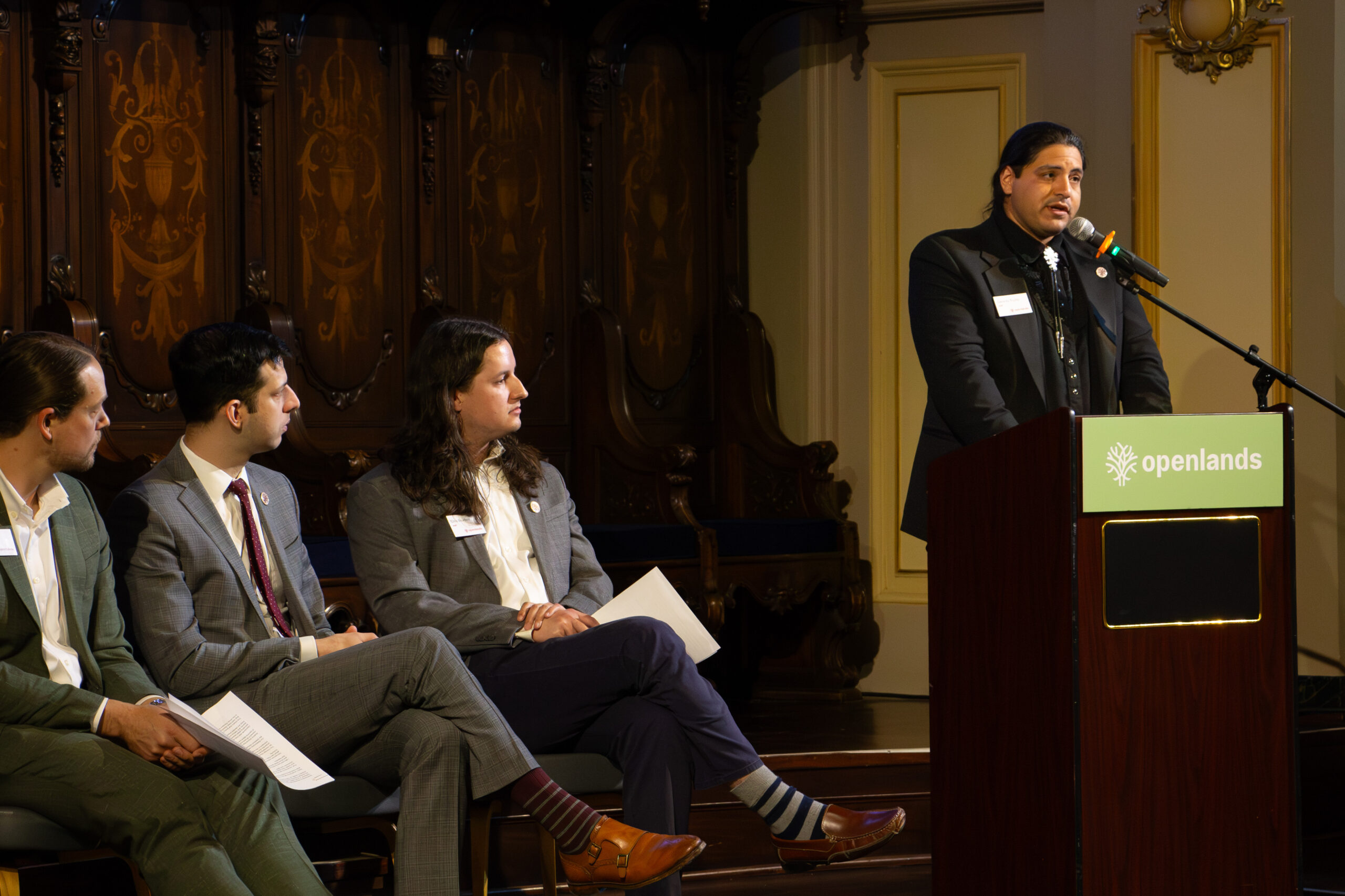
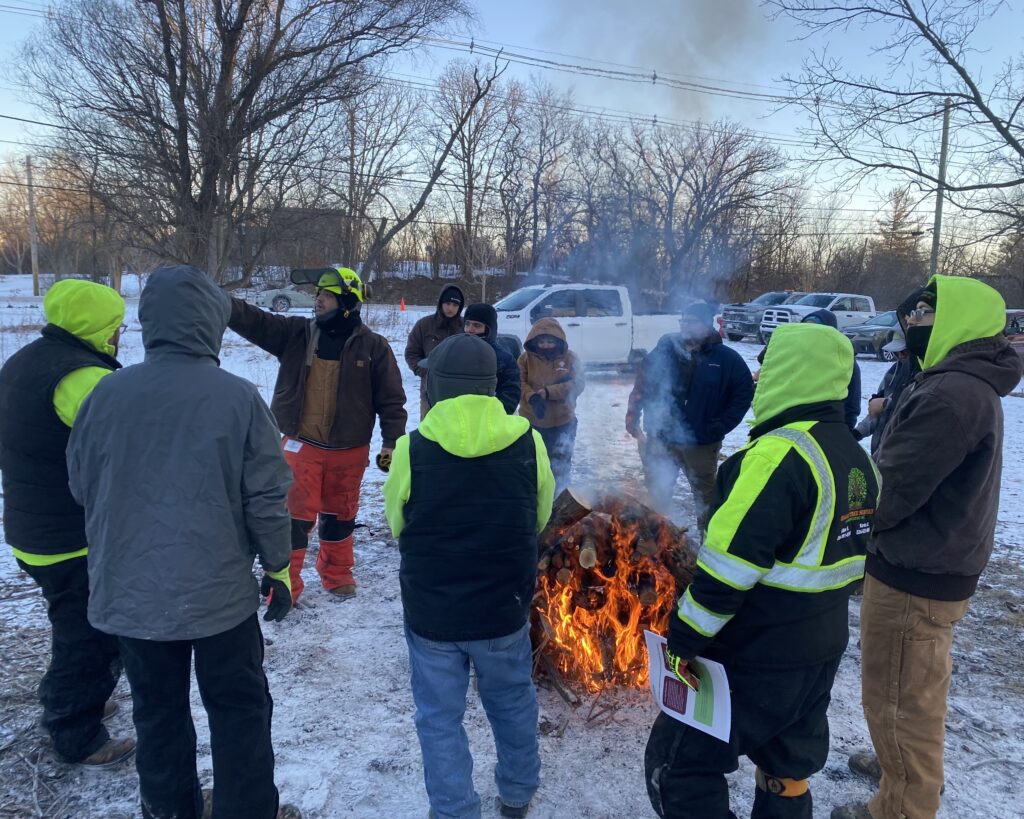
Openlands hosted Opentalks in May 2026 at The Driehaus Museum in downtown Chicago. The event aimed to deepen our supporters’ connection to our local environmental efforts through behind-the-scenes stories shared by our dedicated team of conservation experts. The following is one of those stories.
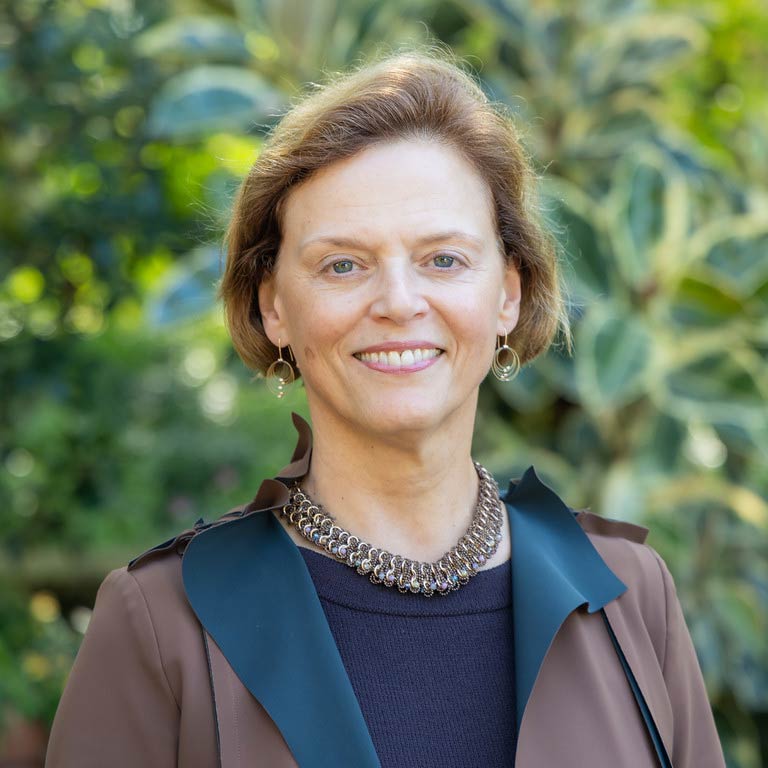
“My name is Gerardo Trujillo, and I am the Landscape Specialist at Openlands. I work with the Conservation Workforce Development team, directed by Katie Flemming.
In my work my goal is to achieve material science-based conservation results in support of the management needs of naturally occurring ecosystems by promoting the adoption of the best ways of taking care of private and public land.
My tie to this work is ancestral and familial.
The wilderness I grew up in, the mountains, creeks, and valleys were my playground and training ground. It was in this same wilderness that my grandparents taught me to work on the land with my mind, strength, water and fire. They taught me that: “Land gives life to us so we owe ours to it.”
In the dormant season we would burn thousands of acres of wild land. In the rain season we would plant a few trees near the streams. They called burning “cleaning the land” and planting trees “protecting the water.”
These lessons were formative for me and my work.
“The wilderness I grew up in, the mountains, creeks, and valleys were my playground and training ground. It was in this same wilderness that my grandparents taught me to work on the land with my mind, strength, water and fire.”
I joined Openlands under the Lands in Harmony program in 2022. At the time my colleagues and mentors spent 11 years working with, and collecting data from, private property owners of all scales.
We recommend four science-based impactful actions to those who were seeking to do something good, green, or fulfil a promise with their property. Those actions are:
- Remove the buckthorn.
- Plant an Oak or Oak buddy.
- Landscape with native plants.
- And update your lawn care.
Achieve all four and your property becomes certified by Openlands.
The data shows that property owners rely on the green industry and ask questions like, “is there someone I can hire to do this for me?” or “can you talk with my landscaper about these recommendations?”
That data, plus market research, a listening tour, and my experience in the private sector in landscaping, arboriculture and land management taught us that:
- Landscaping is about aesthetics and values. So, it’s got to look good.
- Strategies have to make economic sense. These are for profit business.
- And, Lake County IL is home to more than double the national average of landscaping professionals, not including family members employed by family business.
Which lead us to a natural testing ground for “from-the-ground-up” strategies applicable across the region that stack conservation skills into industry jobs. We tested a pilot project called “Help Grow Waukegan.” In which we paid and trained landscapers to select, plant and care for native species of shrubs and trees.
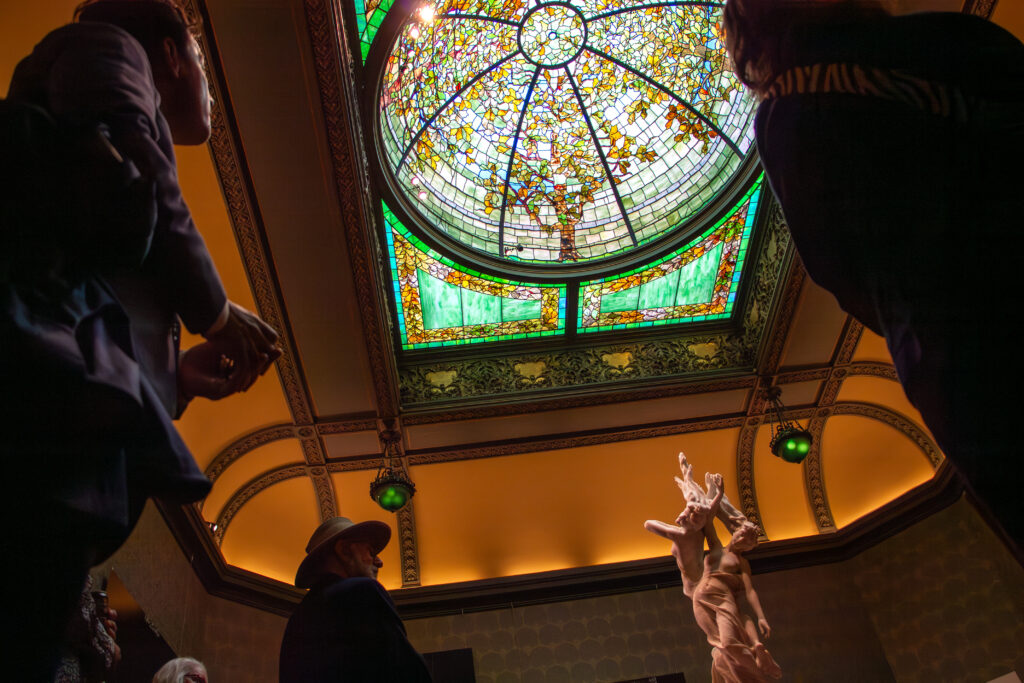
This year we began a Landscape Scale Restoration project where we paid and trained landscapers on the control of buckthorn and honeysuckle in Round Lake, IL, cleaning the land of two invasive species of plants that cause ecological and economical harm and prevent the regeneration of native species of plants.
I want to highlight the importance of paying the people we trained. These were business owners with staffing challenges and laborers with conservation skills gaps.
Their work on the land is their livelihood.
The picture on the screen is from this buckthorn training that took place during the winter months when work is scarce for landscapers. This training taught them that they can make money by providing ecoservices to their clients. All the participants asked if there was more work like this out there, and the answer is yes, because in some areas Buckthorn makes up 80% of all the trees. In return we learned that conservation skill gaps training proves successful only when the strategy makes sense to sector partners and land conservation.
“I want to highlight the importance of paying the people we trained. These were business owners with staffing challenges and laborers with conservation skills gaps.”
Also of note, many in this audience will recognize Openlands as a nationally accredited land trust and will be glad to learn that these trainings that produce habitat restoration and jobs took place on a conservation easement owned by Openlands. This was critical to complete the link between workforce development and land conservation.
It is Openlands’ unique land trust approach that established the land protection, crafted a management plan, and secured stakeholder buy-in for the restoration of this land through the local economy. I credit the visible impact on this land to the resilience of all the people we worked with, and the diversity in Openlands’ strategies.
Land does not care who you are, but what you do with your life will be written across it. Thank you.”
“I credit the visible impact on this land to the resilience of all the people we worked with, and the diversity in Openlands’ strategies.”
You can contact Gerardo at gtrujillo@openlands.org.