Protect Your Land for Conservation
Home / Protect Your Land
The Right Protection for Your Land
Every property is unique, and so is every conservation solution. As the Chicago region’s accredited land trust, Openlands helps landowners protect land through voluntary, permanent tools such as conservation easements, land donations and strategic sales, and technical assistance. Accreditation through the Land Trust Alliance reflects our commitment to the highest national standards for stewardship and lasting protection.
Land Help & Services
Protect Your Land with a Conservation Easement
Landowners who want to retain ownership of their property can protect its natural value through a conservation easement. A conservation easement is a voluntary, legally binding agreement that permanently limits certain types of development to conserve features such as woodlands, wetlands, water resources, scenic views, and other natural areas.
You continue to own your land and keep many property rights, including the ability to sell or pass it on to heirs. Openlands works with you to tailor the agreement and uphold its terms over time. In some cases, conservation easements may provide federal income tax benefits recognized by the Internal Revenue Service, as well as potential state and estate tax advantages. Openlands also monitors and defends conservation easements to ensure long-term protection.
Real Stories: Protecting Private Land for Generations
Elena Spiegelhoff shares how her family used a conservation easement to preserve their farm and its future.
Donate or Sell Your Land to Openlands
As Chicago’s regional land trust, Openlands builds a cohesive network of conserved lands and waterways with the support of landowners who are willing to sell or donate their property. From establishing city parks to protecting and stewarding large-scale landscapes across the region, you can help create public open space for all to enjoy.
As a nationally accredited land trust, Openlands serves as a resource for property owners interested in protecting their land as public open space.
Openlands works with landowners, providing guidance throughout the process and remaining a committed stewardship partner long after protection.
Land Protection Technical Assistance
Openlands provides technical assistance to government agencies, conservation-minded real estate developers, community land trusts, tribal organizations, and others interested in protecting land for the benefit of people and wildlife.
Our team delivers comprehensive real estate services to support land protection efforts, including:
- Negotiating and structuring innovative, cost-effective transactions
- Managing due diligence, including appraisals, environmental assessments, and title and survey work
- Providing interim financing and serving as an interim landowner
- Advising on land protection strategy
- Assembling multiple parcels—including tax sale acquisitions—into a unified open space
Frequently Asked Questions
What is a conservation easement?
Conservation easements can be an effective tool to protect land. They are legally binding agreements between a landowner and a land trust or government agency in which the landowner retains many private property rights. Conservation easements do not automatically make properties open to the public.
Can I donate land to a land trust?
Yes, you can. Donated conservation easements may provide valuable tax benefits to landowners, but the landowner should speak with a trusted tax professional to learn more.
Do I still own my land after a conservation easement?
Yes. Conservation easements keep land in private ownership and continue to provide economic benefits to the area. If you decide to sell or give your land to an heir, the easement transfers with the land to the new owner.
Who pays for a conservation easement?
Conservation easements may be funded either through 1) purchase by land trusts or government agencies or 2) tax benefits to the landowner if donated. Federal, state, and local governments often provide grants to purchase easements, especially for farmland, wetlands, and habitat protection.
Is a conservation easement permanent?
In most cases, yes. Most easements “run with the land,” meaning that the original owner and all owners who come after them are subject to the easement and its terms.
How do I know if my property is eligible for conservation?
Openlands assesses all possible land protection opportunities to ensure alignment with our mission and LTA accreditation standards. We start by having a conversation with you, learning about the property, and visiting it to ensure it meets our criteria.
Can developers work with a conservation organization?
Yes, developers can engage conservation experts early in the planning process to identify sensitive resources, such as wetlands or threatened and endangered species, and to design a project layout that ensures their protection. Developers can also work with land trusts to place legal restrictions (e.g., conservation easements) on property that protect its conservation values in perpetuity. Conservation groups, such as land trusts, may then take over the management of protected areas, relieving developers of long-term liability.
What support exists for community land trusts or tribal organizations?
Openlands can assist community land trusts or tribal organizations by providing technical assistance and real estate expertise, as well as connecting them to potential funding sources and other expertise.
More about Land Protection
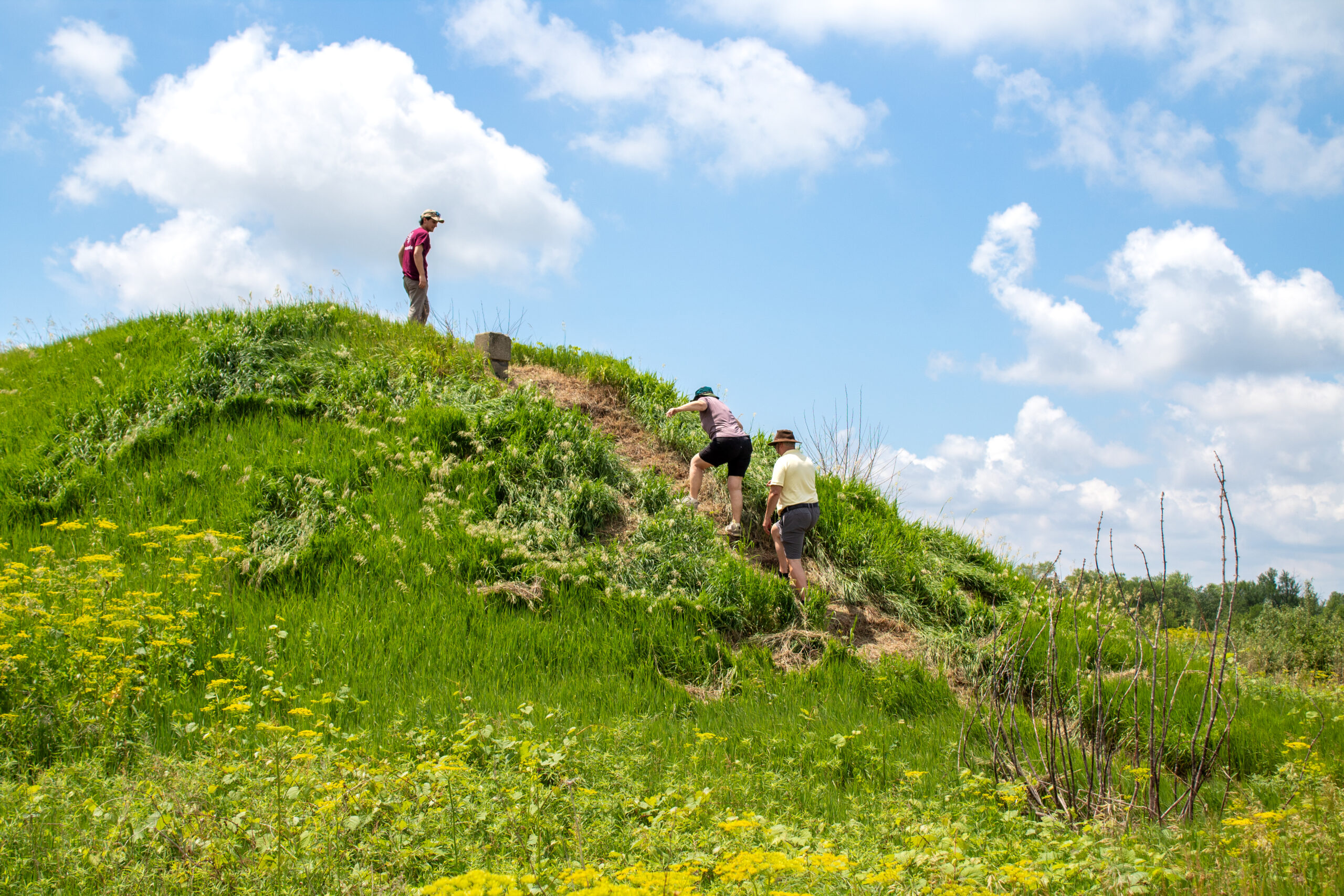
Director of Conservation Planning Sara Egan writes on fragmented municipal planning in Will County.
…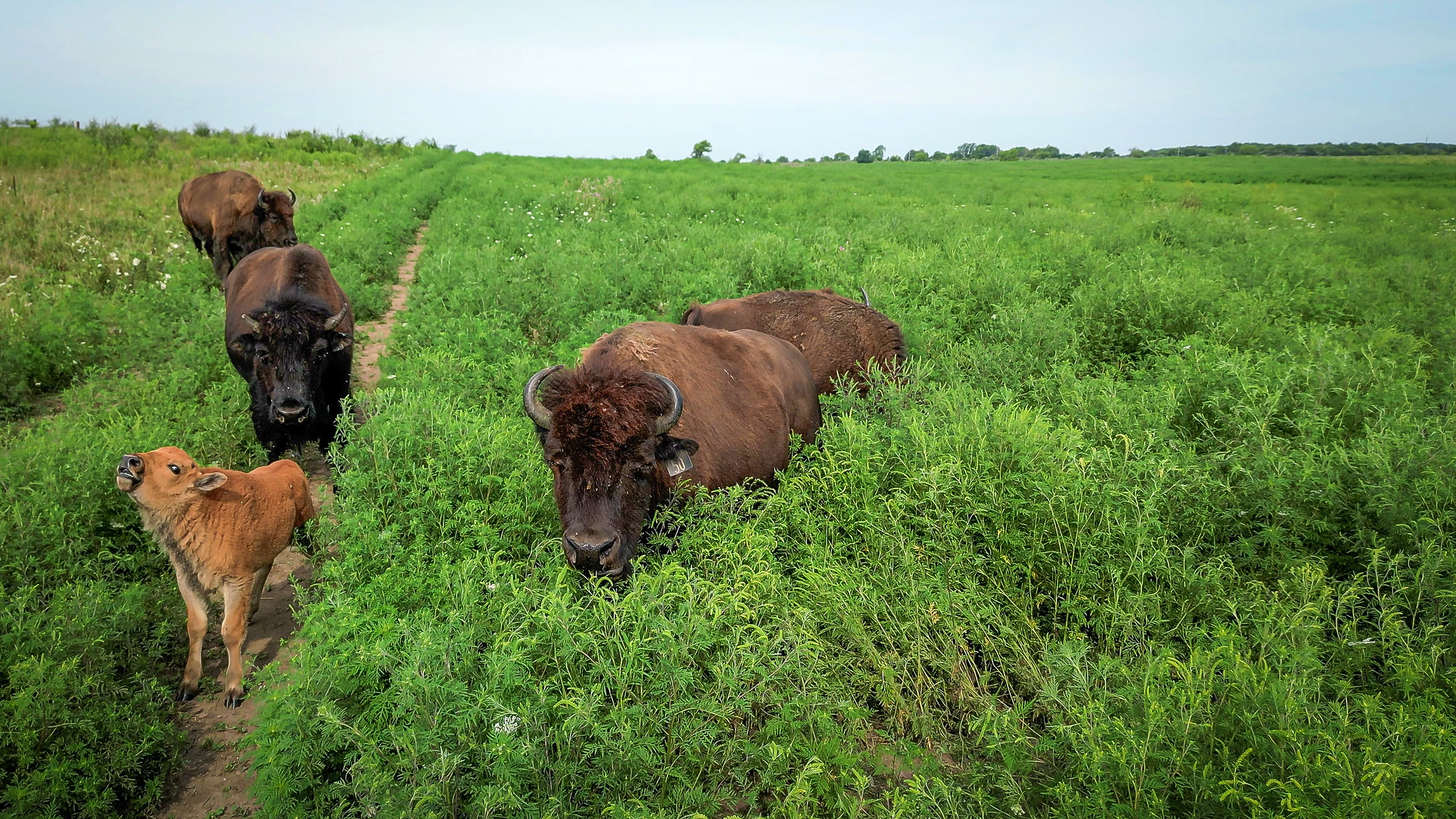
The Urban Nature newsletter highlights the upcoming Midewin 30th Anniversary Open House.
…
Openlands hosted Opentalks in May 2026 at The Driehaus Museum in downtown Chicago. The event …