
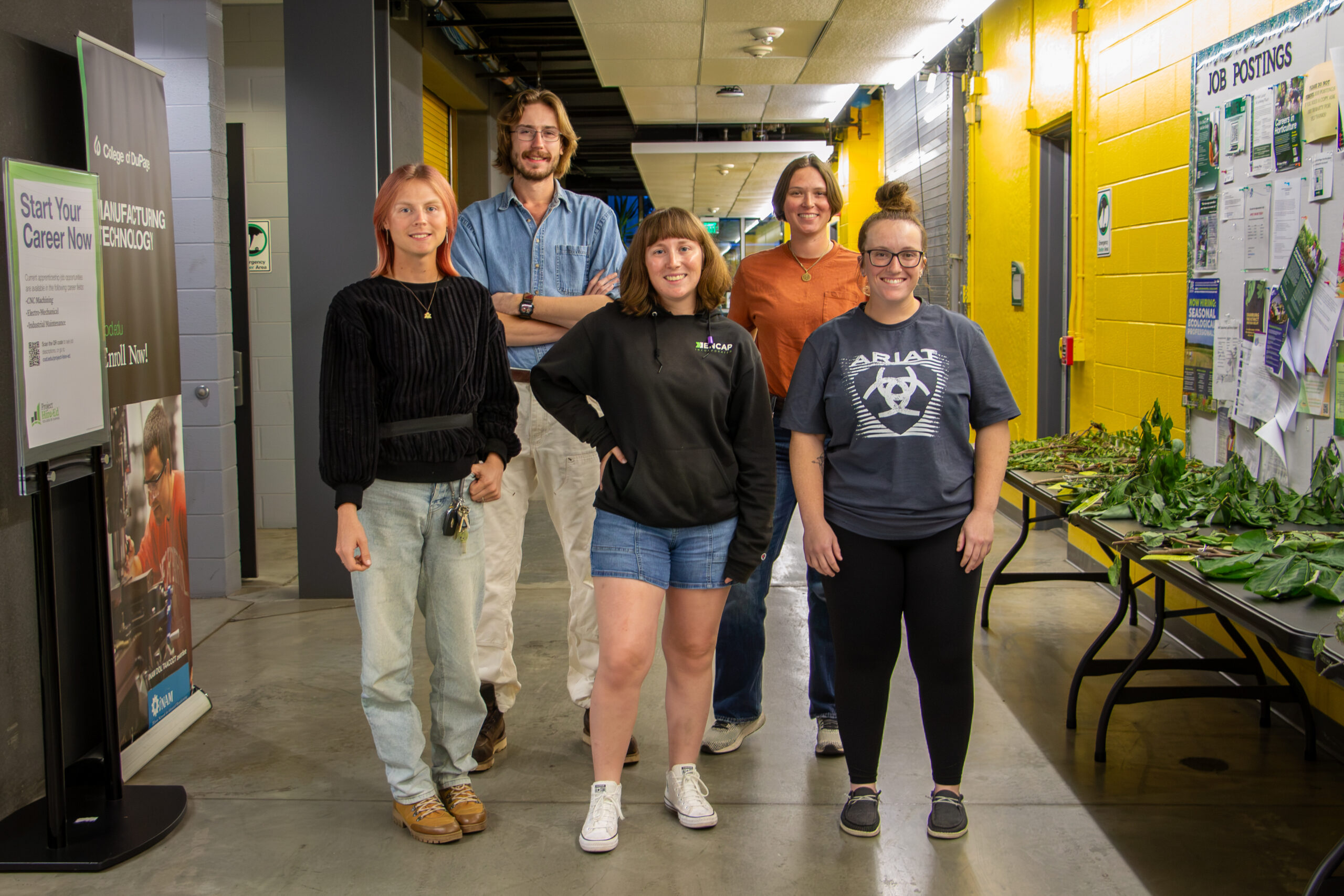
The two-year program creates a new pathway into ecological restoration careers
FOR IMMEDIATE RELEASE
Media Contacts
Michael Kamp
mkamp@openlands.org
(608) 698 7758
CHICAGO, IL – (October 7, 2026) This fall, five apprentices began training as part of the nation’s first U.S. Department of Labor-approved Ecological Restoration Registered Apprenticeship (ERRA) program. During the two-year, Openlands sponsored program, apprentices will develop valuable skills in ecological restoration while earning a competitive wage.
Finding accessible and beneficial training in the ecological restoration field can be challenging, yet the future of conservation depends on the people doing the work. Restoring and managing natural lands is skilled work, and it depends on trained professionals with the knowledge to manage increasingly complex landscapes.
The apprenticeship program will fill a critical gap in training for careers in ecological restoration and provide a clear, accessible pathway for interested candidates. Despite the growth of the restoration field, the common path to entry is piece-meal training from different employers and seasonal roles.
“Investing in conservation workforce is an investment in healthier ecosystems, stronger land management capacity, and better conservation outcomes across our region,” said Katie Fleming, Director of Conservation Workforce at Openlands. “We bring proven experience through our successful Arborist Registered Apprenticeship and our partnerships with employers, educators, and workforce organizations. The ERRA builds on that foundation, creating career pathways while developing the skilled workforce our region needs to restore and steward its natural lands.”
As the sponsor of the ERRA, Openlands oversees program management and reporting back to the Department of Labor. Openlands also leads partner coordination and ensures standards are being upheld by employers, apprentices, and training providers. Apprentices have the chance to provide feedback on their experience through quarterly check-ins and an annual survey.
Regional employer partners agreed on all components of the ERRA as the industry standard. The apprenticeship curriculum is split into two categories: on-the-job training and related technical instruction.
The on-the-job training, or hands-on skills, includes herbaceous invasive species management, woody invasive species management, assisting with prescribed burns, and equipment operation, for a total of 3,000 – 4,000 hours. Resource Environmental Solutions and ENCAP Inc. are providing on-the-job training for the first group of apprentices.
The related technical instruction will take place at the College of DuPage (COD). This classroom component totals 39 college credit hours and provides foundational knowledge in the field, such as the fundamentals of ecology and restoration equipment. The equipment class also incorporates troubleshooting guidelines, crucial knowledge for professionals working in the field. Additionally, apprentices earn industry recognized credentials, including a prescription burn certification and Illinois Pesticide Applicators License, essential for applicants looking to be hired in restoration.
Upon completion, apprentices are deemed skilled workers in the trade of ecological restoration and receive COD’s Ecological Restoration Certificate and a certificate of completion from the Department of Labor. Apprentices who have completed the program will ideally serve as mentors for future apprentices, growing the community each year.
Supporting the next generation of ecological restoration professionals supports Openlands’ land conservation mission. Openlands works not only to protect land, urgently needed as only an estimated 8% is protected in the greater Chicago region, but also to restore native habitats. The ERRA builds capacity of land managers to restore high-quality habitats with diverse native species and minimal invasive species – a continual and dynamic process.
The ERRA program aims to serve as a model and set an industry standard for entry-level ecological restoration work and training. The goal is that the ERRA supports a regional conservation workforce network comprised of land managers, contractors, training providers, and pre-employment programs working together to ensure all communities have access to jobs, training, and career advancement in conservation.
###
About Openlands
Founded in 1963, Openlands protects the natural and open spaces of northeastern Illinois and the surrounding region to ensure cleaner air and water, protect natural habitats and wildlife, and help balance and enrich our lives. Openlands works across areas to advance nature-based solutions to climate change, improve the health and well-being of communities, and create a more verdant region for all.